

Old Lyme Selectmen Pick Greenskies for Landfill Solar Project
The project is expected to offset about $610,000 in municipal electricity costs over two decades, with additional credits possible for the Region 18 school district.
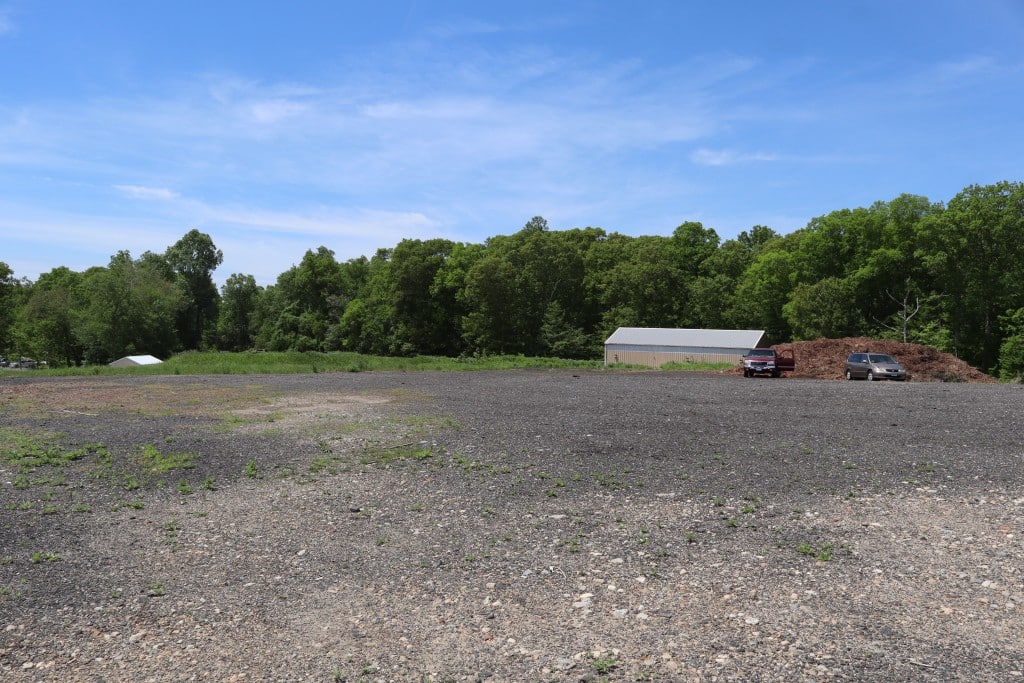
OLD LYME, CT – The town is one step closer to offsetting its electricity costs after selectmen on Monday unanimously selected a Connecticut-based developer for a proposed solar project on the town’s closed landfill.
The Board of Selectmen voted to approve a resolution selecting North Haven-based Greenskies Clean Energy as the preferred developer for the project at 109 Four Mile River Road. The approval authorizes First Selectwoman Martha Shoemaker to enter into a development agreement and execute documents needed for state and federal approvals.
Selectmen made their selection based on the recommendation of consultants from CSW Energy and Klee Sustainability Advisors, who were brought in last month to spearhead the project.
The consultants said the winning proposal carries the highest projected return to the town, estimated at $610,856 over 20 years. An additional $899,199 in energy credits over the same time period could be applied to the Region 18 school district if it joins the project.
The Greenskies proposal is based on projected production of 1.03 million kilowatt-hours in the first year. The resulting electricity credits would be allocated under the state’s net metering program to the town and other participating users.
Verogy of West Hartford, the only other respondent, projected $523,659 in benefits to the town over 20 years, with an additional $636,344 for the Region 18 school district or other eligible partner.
Officials have said there are no upfront costs to the town and that typical solar development risks can be managed through careful developer selection and contract terms.
Greenskies has developed nearly 200 projects in Connecticut, compared with more than 20 for Verogy, according to the consultants.
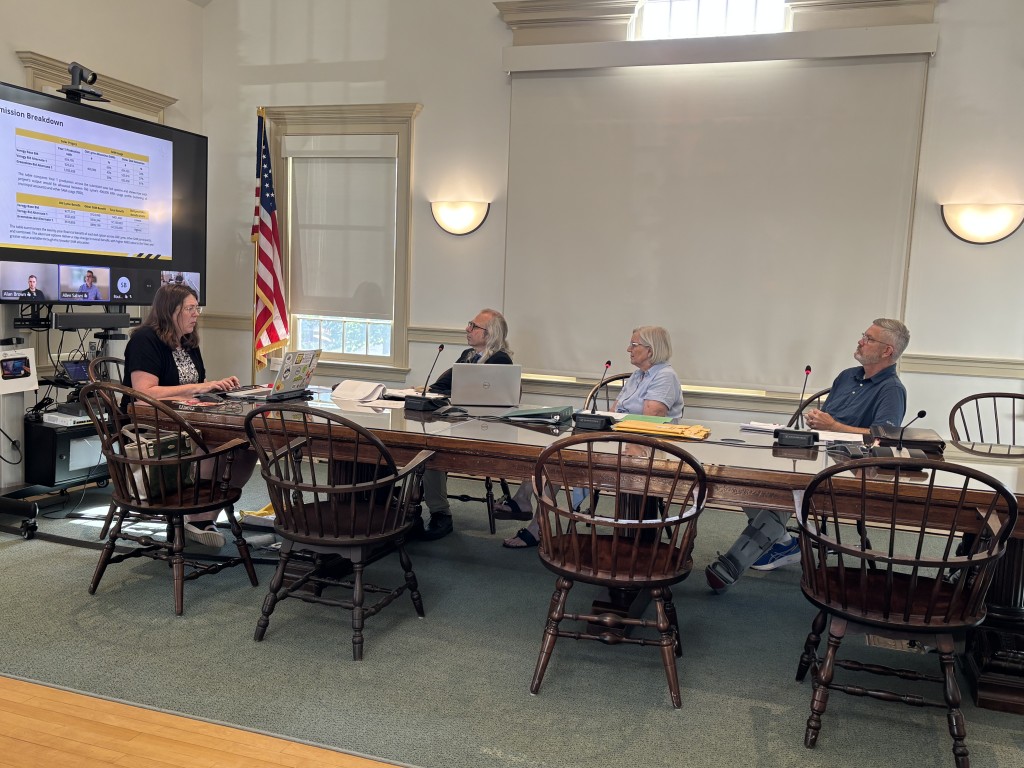
The request for proposals was issued May 22 with a roughly three-week turnaround. The accelerated schedule reflects a July 4 deadline to execute an agreement and preserve eligibility for federal tax incentives being phased out under recent federal legislation.
Rob Klee, a former commissioner of the state Department of Energy and Environmental Protection who is on the consulting team, said the developer is looking at federal tax incentives amounting to about 50% of the project cost. The package includes a 30% base incentive, 10% bonus for using a required amount of American-made parts and 10% bonus for siting it on a landfill.
Whether the application period for the state Non-Residential Renewable Energy Solutions (NRES) program opens up this year or next will determine whether the project is completed in 2027 or 2028, according to Allen Sabins of CSW Energy.
He said the developer will be responsible for engineering, getting necessary approvals, buying materials, staging them, installing them and commissioning the system.
Klee emphasized the developer will also be responsible for decommissioning the array in 20 years.
“They’re responsible soup-to-nuts, including removal and the returning of the landfill site to its previous condition, minor wear and tear excepted,” he said. The same obligations would transfer to any future owner if the project changes hands.
He pointed to Greenskies’ record of retaining ownership of projects rather than developing and selling them as a point in their favor.
He also cited the company’s initiative in consulting directly with Eversource regarding projects of this size and providing pricing scenarios for both 2026 and 2027 based on uncertainty over when the next NRES application window will open.
CSW Energy, Klee Sustainability Advisors and Greenskies were involved in a New London project installing a 991-kilowatt solar system on a capped landfill at Bates Woods Park expected to reduce electric costs by about $110,000 annually, according to The Day.
Shoemaker last month said she met with New London Mayor Michael Passero and Public Works Director Brian Sear for guidance.
Excess Power
Greenskies’ proposal was designed to maximize the usable area of the landfill, according to Sabins. The town’s municipal facilities currently consume about 400,000 kilowatt-hours of electricity annually, but the project would generate more electricity than the town alone could use.
That excess output would need to be allocated to additional users through the state’s virtual net metering program, which is open to state, municipal or agricultural partners. Sabins said the Region 18 school district could help absorb the surplus instead of other outside partners.
He said Region 18’s electricity consumption exceeds the amount needed to support the Greenskies proposal, meaning the town would not need to seek additional partners if the district participates. Discussions with the school district are ongoing.
Author

Related Articles

Old Lyme Launches “Under the Oaks” Partnership with Barbizon, France
Old Lyme and Barbizon, France, are launching a 2027 exchange program to build on their shared artistic heritage.
Election 2026: What to Know Before You Go
It’s time to vote. Find early voting and Election Day hours and locations, along with profiles of the local candidates, in your handy LymeLine election guide.

Labriola Calls for Common Sense Approach in 23rd District Run
The Old Saybrook treasurer is running for the 23rd District seat on a platform of affordability, local control and bipartisan cooperation.