

Lyme’s Lisa Holmes Takes Farmers’ Stories From Field to Film
A documentary from Lyme resident Lisa Holmes digs into the challenges facing independent farmers and the changing landscape of American agriculture.
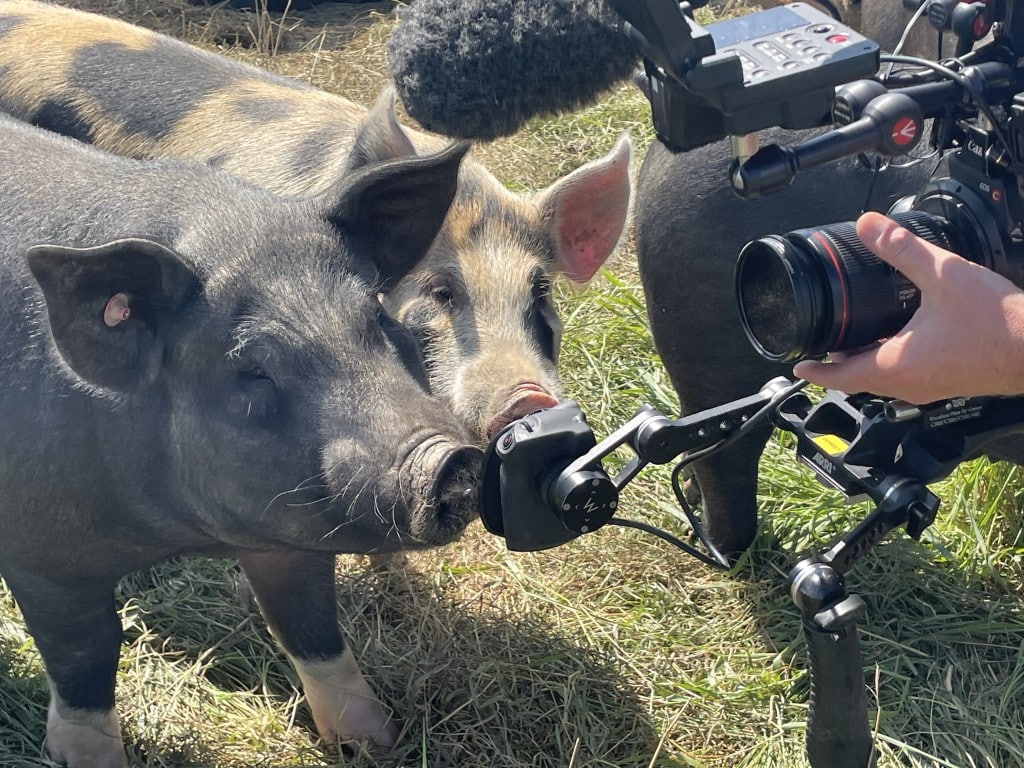
LYME, CT – Fork in the Road, a documentary that addresses issues facing agriculture and independent farmers, already has a big name attached to it: Nick Offerman of Parks & Recreation, The Last of Us and Margo’s Got Money Troubles. But locals may recognize a more familiar name: Lisa Holmes, who has lived in Old Lyme and Lyme since 1973 and serves as producer and executive producer.
“It’s all been a pinch-me moment,” Holmes said in a video interview last week.
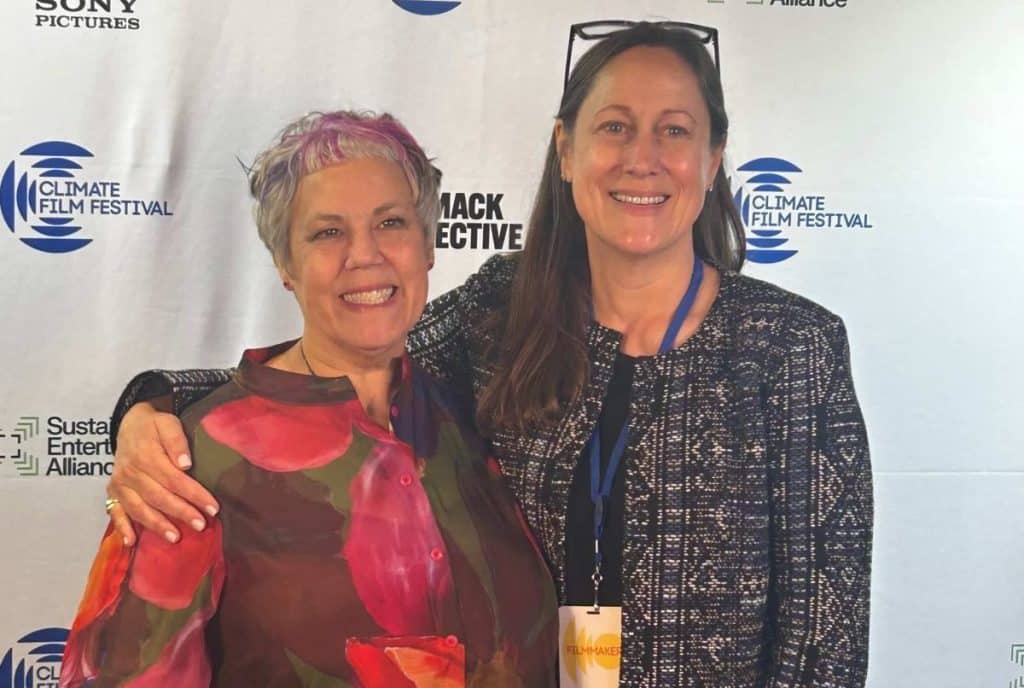
Fork in the Road has already been admitted to more than 30 film festivals, and Holmes expects to be attending festivals throughout the rest of the year. While at the Mystic Film Festival last month, Fork in the Road won the award for Best Conservation Film. Despite the film focusing on American agriculture, the filmmakers have been contacted by film communities and festivals from as far as Tasmania and Great Britain.
“It’s more than food,” Holmes said. “It’s about the people who produce it, the communities, and the health of our planet. Even if you’re not particularly interested in the food you eat, you may be interested in supporting your local economy.”
Holmes said she has never been one to step in front of cameras or make speeches, but she’s driven by what she described as the film’s main theme: that modern, mass-produced industrialized agriculture has had negative impacts on the ecosystem, physical health and small farmers.
“This is such a complicated story,” she said. “And it’s important to get it right.”
A graduate of The Hammonasset School in Madison in 1978, Holmes has spent her career working in agricultural activism, beginning when she served on the board of CitySeed in New Haven. She is the president of the Martha and Hunter Grubb Foundation and a founding board member of GreenWave (whose executive director, Bren Smith, also appears in the film) and Zero Foodprint. She has been in Lyme since 1999, and her two children, Amelia and Hunter, graduated from Lyme-Old Lyme High School.
Holmes said she’s been impressed by the impact the film has made on audiences.
“Storytelling is the most effective way to effect change,” she said.
Coast to Coast
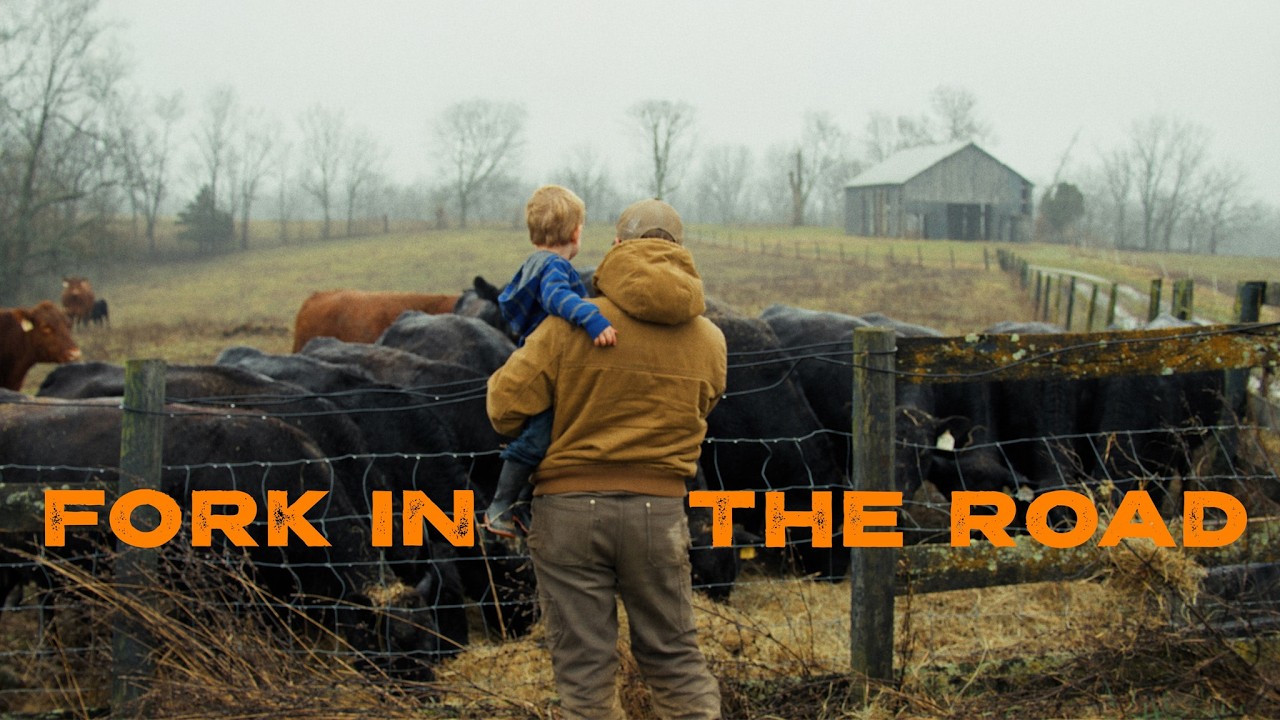
While Fork in the Road has been hitting the film festival circuit throughout 2026, the project began prior to the COVID-19 pandemic. Holmes met Vivian Sorenson, a producer behind culinary TV series like Chopped, at a women’s leadership retreat. A friendship blossomed and they soon realized that with Holmes’ background in agriculture and Sorenson’s background in culinary media, they had an opportunity to educate everyone about regenerative farming.
Regenerative farming, in contrast to industrialized farming, focuses on a holistic approach to nurturing the land rather than extracting from it. The approach emphasizes healthy soil, a wide range of plants and wildlife, and water conservation.
After receiving a grant from the Redford Center, founded by filmmaker Robert Redford to support independent films, Holmes and Sorenson teamed up with cinematographer Jonathan Nastasi, who co-directed the film with Sorenson.
Holmes said they worked nights and weekends, traveling to sites in California, Alaska, Kentucky, Missouri, New York’s Hudson Valley, the Bronx and Long Island Sound to meet farmers from a wide variety of backgrounds.
Everyone included in the film was connected to Holmes, who lined up the nonprofit organizations and farmers, or Sorenson, who secured New York Times columnist Melissa Clark and chef Marc Murphy.
The pandemic changed everything, according to Holmes – including agriculture. Lockdowns put the project on pause. But as they reviewed their footage, it became clear that the emerging narrative was not about the chefs and restaurateurs, as they originally intended, but the farmers. She credited editors Phil Pinto, Laura Tomaselli, DW Young and Noah Engel for discovering the central theme and what Holmes described as the solution: a regional food system to counter mass-produced food.
Holmes identified funding as their greatest challenge throughout production, even with the Redford Center grant. She said the struggle gave them insight into the plight of local farmers, who often have fewer resources than large-scale agricultural operations and may rely on nonprofit assistance to stay viable.
Holmes said her goal is to amplify farmers at the local level. In Lyme, that includes Tiffany Farms, known for its beef and farmers’ markets, and regenerative farmers like Baylee Drown of Long Table Farm on Beaver Brook Road.
When the food supply chain breaks down, Holmes said, “it’s people like Baylee who take care of their communities.”
Author

Related Articles
Shoemaker Overrides Historic District Commission Denial With Blue and Gold Star Memorials at Old Lyme Town Hall
Shoemaker said she is standing up for veterans by adding the markers to the military monument. The commission said they belong near the ground in a garden.
Statewide Program Identifies Lyme’s Composting, Conservation Initiatives as Success Stories
Sustainable CT recognized several local initiatives as “success stories” in efficiency, resiliency and inclusivity with the renewal of Lyme’s bronze-level certification.
Lyme Anthropologist Works to Bring Nehantic Story to New and Old Audiences
John Pfeiffer has spent decades researching Nehantic history, archaeology and descendants ahead of Saturday’s Nehantic Heritage Day.
Comments (0)
There are no comments on this article.