

Lyme, Old Lyme Conservationists Monitor Growing Spotted Lanternfly Presence
Spotted lanternflies are becoming more common in Lyme and Old Lyme. Conservation officials say public awareness will be key to limiting their spread.
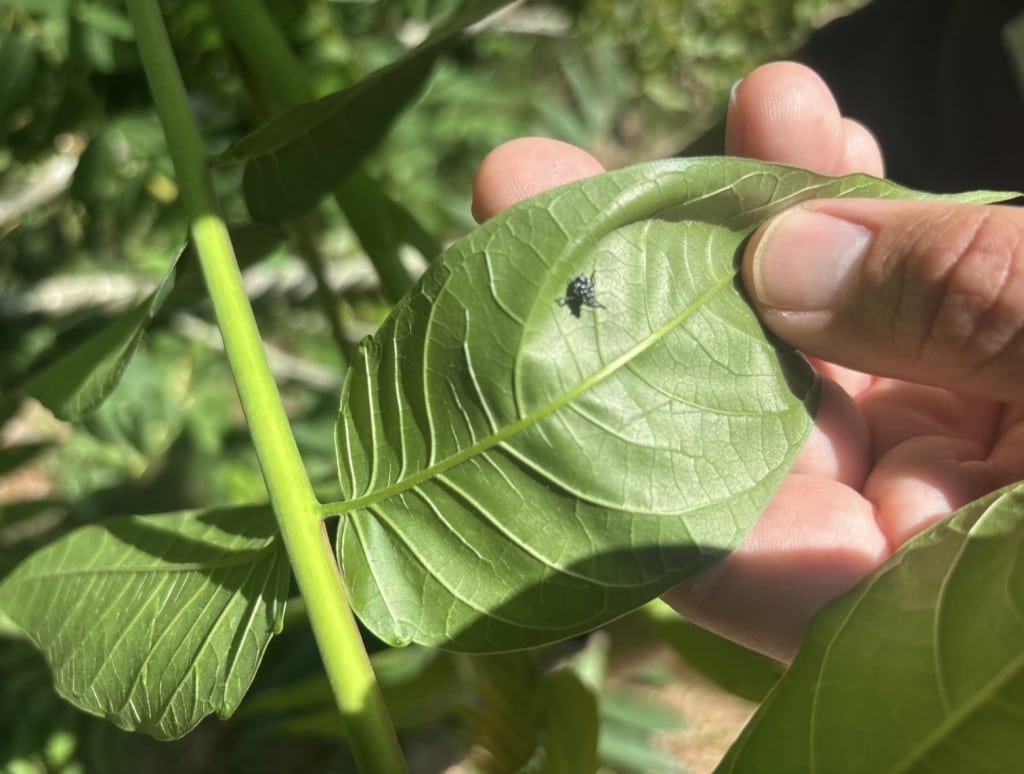
OLD LYME, CT – Spotted lanternfly populations have quietly grown across Connecticut since their first sighting in 2020, now having established populations in all eight counties.
According to Tony Irving, president of the Lyme Land Trust, spotted lanternflies were first seen at the Jewett Preserve in Lyme approximately two years ago. However, larger populations were discovered last fall.
Then, according to Roger Tory Peterson Estuary Center (RTPEC) Director Alisha Milardo, they were seen again this June at the center in Old Lyme.
Irving said the preserves in Lyme are treating the issue locally on a smaller scale. This involves eradicating invasive Ailanthus trees (also known as tree of heaven) when possible, as they are the primary host tree of spotted lanternflies.
Because a larger population was discovered relatively recently, a long-term plan has not been developed yet.
RTPEC conservation and education coordinator Joe Attwater first discovered a spotted lanternfly in early June on the center’s property while doing an assessment of the animals and vegetation, he said in an interview at the RTPEC last week.
“The problem is, the spotted lanternfly doesn’t have a lot of natural predators,” Attwater said.
According to the Connecticut Department of Energy and Environmental Protection, spotted lanternflies are especially prevalent in Connecticut and have been spotted in 100 out of the state’s 169 towns.
Connecticut state officials also estimate that 47% of Connecticut’s forest trees are potentially susceptible to spotted lanternfly feeding.
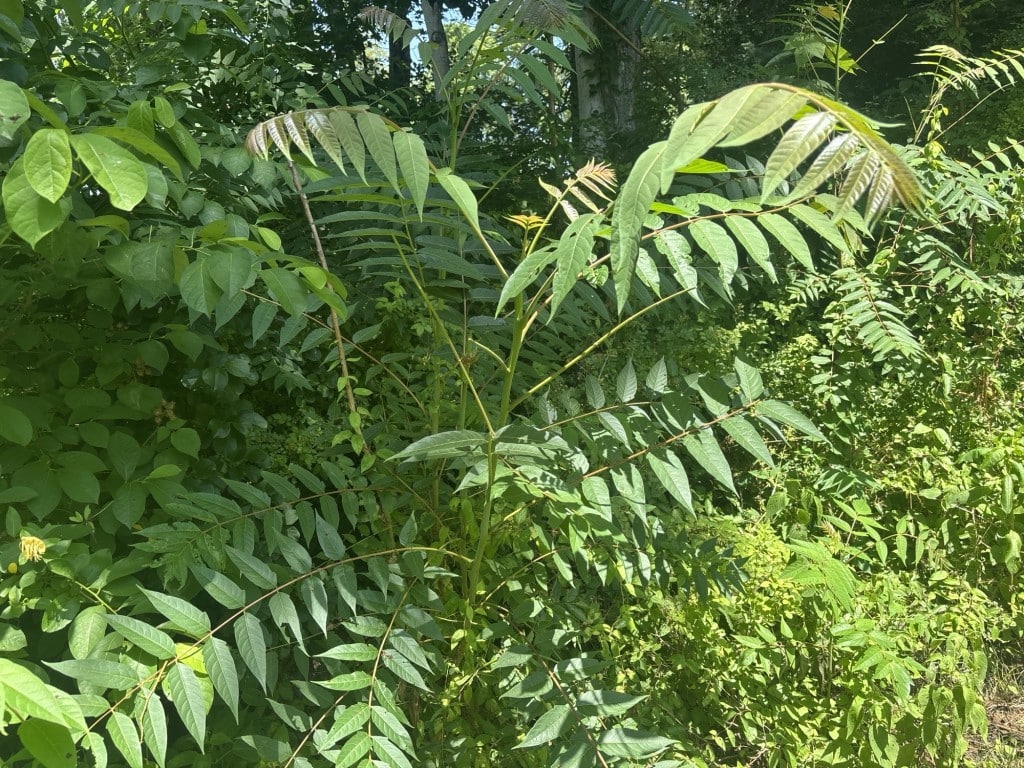
Spotted lanternflies are an invasive planthopper native to China, Vietnam, and India. Rather than directly killing vegetation, the insect extracts sap from the trunks, branches and stems of plants, weakening them over time.
They also excrete a honeydew that coats nearby surfaces. The sugar promotes the growth of a black sooty mold, which builds on plants’ surfaces, blocks the penetration of sunlight and reduces the plants’ ability to photosynthesize.
The RTPEC focuses primarily on conservation of the Connecticut River Estuary, while also conducting broader work in environmental education, conservation and scientific research.
“The spotted lanternfly has a major sweet tooth,” Attwater said, explaining that spotted lanternflies are often attracted to grapevines and fruit trees in addition to the Ailanthus tree.
In addition to the ecological threat spotted lanternflies pose, Milardo said feeding on grapevines also poses a significant economic threat. That’s because vineyards are often targets of spotted lanternflies attracted to sweet plants. The risk is significant in regions where wine sales play a big role in the economy.
Attwater noted spotted lanternflies are in some ways able to regulate the Ailanthus tree population, which is also an invasive species. The center is monitoring both populations closely and aiming to control their growth.
He also distinguished between invasive and non-native species when he said that non-native species are classified as invasive only if they spread aggressively and cause harm ecologically, economically, or to human health.
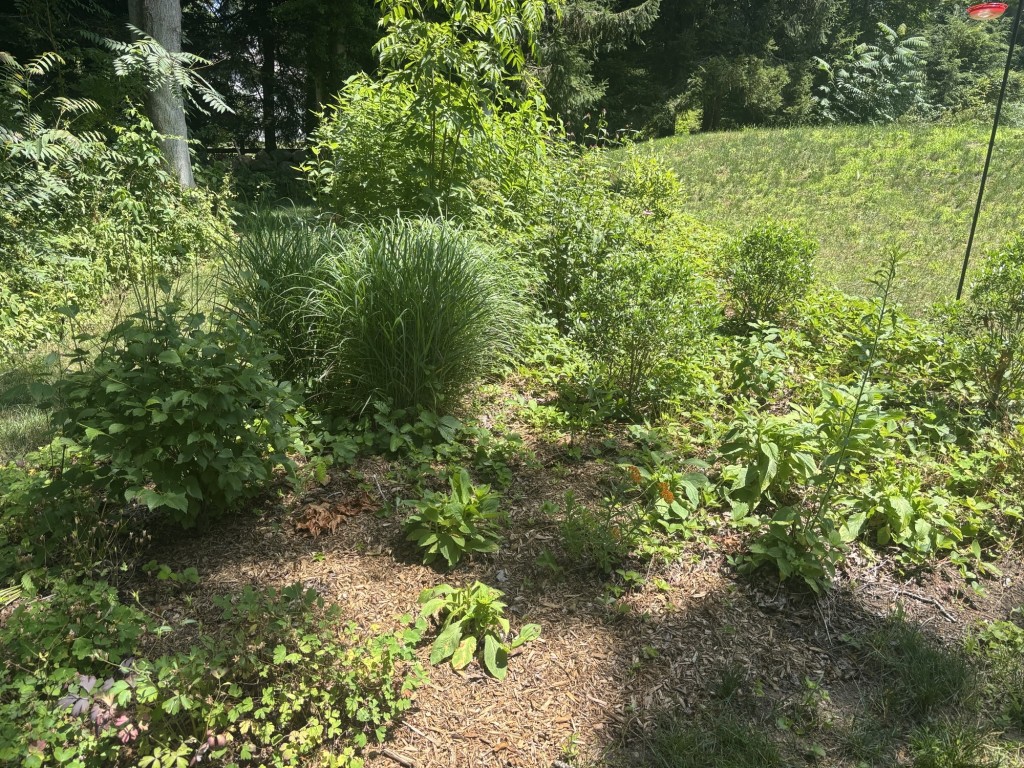
Attwater said RTPEC is working to introduce more native plants to keep spotted lanternfly populations in check rather than focusing on extermination. He described using a strategy known as “outcompeting,” which encourages and supports the plants and animals that are already present in a region so that they are more successful than the invasive populations.
Attwater explained that exterminating an entire invasive population is not usually viable, and it is generally more effective to plant native species and give them the resources they need to be more successful than the invasive populations.
He emphasized the importance of understanding ecology and the ways vegetation and animals interact and influence each other.
Milardo and Attwater both advocated for an increased emphasis on community education to help control the spread of spotted lanternflies at the center and across southeastern Connecticut.
Attwater said change would not happen if just one place exterminates an invasive population. He called for greater community investment in learning about the local environment and the ecological forces at play.
Related Articles

Labriola Calls for Common Sense Approach in 23rd District Run
The Old Saybrook treasurer is running for the 23rd District seat on a platform of affordability, local control and bipartisan cooperation.

Old Lyme Library to Lend Laptops to Eligible Residents
Libraries are partnering with the state to close the digital divide. The goal is to expand access to the tools people need to use important services online.
Old Lyme Zoning Survey Finds Support for Flexibility, Not Major Change
Residents want to preserve Old Lyme’s small-town feel by allowing accessory apartments, limiting data centers and ensuring a say in the future of Halls Road.