

Lyme Voters Approve $14.23 Million Budget With No Tax Increase
Forty-six registered voters attended Lyme’s annual town meeting Thursday night, where residents unanimously approved a $14.23 million budget for 2026-27 and a flat tax rate of 14.5 mills.
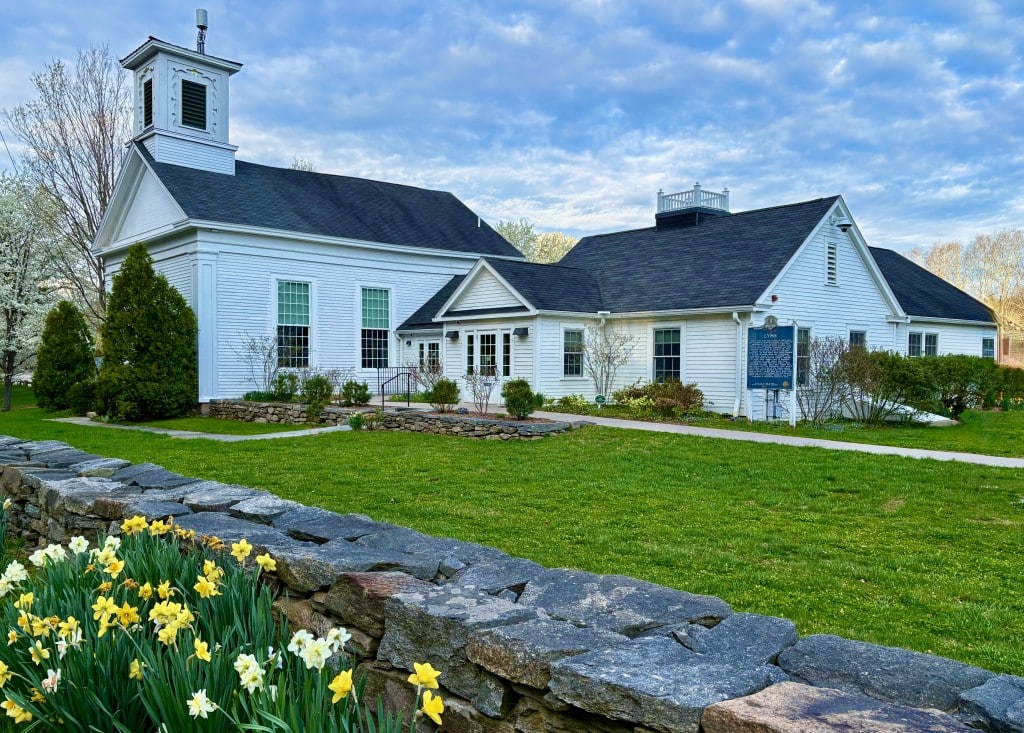
LYME, CT– Forty-six out of Lyme’s 1,816 registered voters attended Thursday night’s annual town meeting, unanimously approving a 2026-27 town budget with no tax increase.
The Board of Finance met after the budget vote to set the tax rate, which will remain at 14.5 mills after using $2.5 million from the town’s reserves.
Attendance at the town meeting represented about 2.5% of registered voters, based on numbers from voting officials. In addition to registered voters, property owners with at least $1,000 in assessed value are eligible to vote.
The approved $14.23 million budget for the coming year is up $2.86 million over the current budget. Town operations, which include general government, education and debt service, come in at $11.34 million. That’s an increase of $506,472, or 4.67%, over current spending. Education costs, which at $7.02 million comprise the largest portion of the town budget, are up 0.83%.
The overall budget increase is driven largely by a $2.88 million capital spending plan. That’s up $2.35 million from the current year’s “uncharacteristically light” spending, according to finance board Chairman Alan Sheiness. Included is the $1.7 million Beaver Brook Road culvert replacement project, about half of which is expected to be reimbursed in a future budget year, as well as two new town trucks and public safety communications equipment.
Before the vote, Sheiness gave some context on the town’s finances. He explained that the 2024-25 budget year ended $1.55 million better than expected, despite the predicted surplus only being $200,000.
He said the larger-than-expected surplus was largely due to bridge reimbursements that had been budgeted for the current fiscal year but arrived late in the previous one, causing the revenue to be recorded earlier than expected.
Sheiness concluded by saying the town expects its reserves – also referred to as the undesignated fund balance or rainy day fund – to remain strong.
“What I will do to bring you some comfort is point out that with this budget, we will end with $3.6 million,” he said of the town’s reserves, which equates to four months of budgeted expenses. That’s similar to how the 2024-25 year ended at $3.2 million.
Healthy reserves help towns qualify for higher bond ratings, which in turn earn favorable interest rates on municipal bonds for large projects.
Sheiness also went through different expenses in the upcoming budget year, providing justification for the choices that led to a roughly 11% increase in non-education town operating expenses. He attributed roughly one-third of the increase to expenses such as employee raises and inflation. Remaining factors include the expansion of the finance director position to full-time, higher health insurance costs tied to staffing changes, increased funding for snow and ice removal and federal compliance work to make the town website accessible to people with disabilities.
Residents at the meeting also approved the town’s 2025 annual report and voted unanimously to approve a $119,000 supplemental budget appropriation for the current year’s highways budget due to what was described in the meeting notice as “extraordinary winter conditions and repair costs.”
A summary of the proposed budget can be found on the town’s website.
Editor’s Note: The reporter’s original copy correctly stated the 2024-25 budget year ended $1.55 million better than expected. An error was introduced during the editing process and has since been corrected.
Related Articles
Chester-Hadlyme Ferry Service Suspended for Repairs, Could Resume Mid-September
Ferry service is temporarily suspended while the 76-year-old Selden III undergoes repairs. Meanwhile, plans are moving forward to replace the historic vessel.

Safe Futures’ Oct. 4 Walk Supports Those Affected by Domestic Violence Across Southeastern CT
Safe Futures works throughout New London County, including Lyme and Old Lyme, to address domestic violence, sexual assault, stalking, trafficking, elder and child abuse.

Lyme-Old Lyme Teacher Brett Eckhart Goes From Classroom to Stage With ’90s Alt-Rock Reunion
Long before Brett Eckhart was a favorite teacher at Lyme-Old Lyme High School, he was the frontman for Radiotricity. More than 30 years later, the band is back together for a reunion show.