

Berke Wins as Campbell Falls Short in Third Region 18 School Board Bid
Democrat Devin Berke defeated Republican Brandy Campbell in Tuesday’s special election, extending the Democratic Party’s hold on all nine seats.
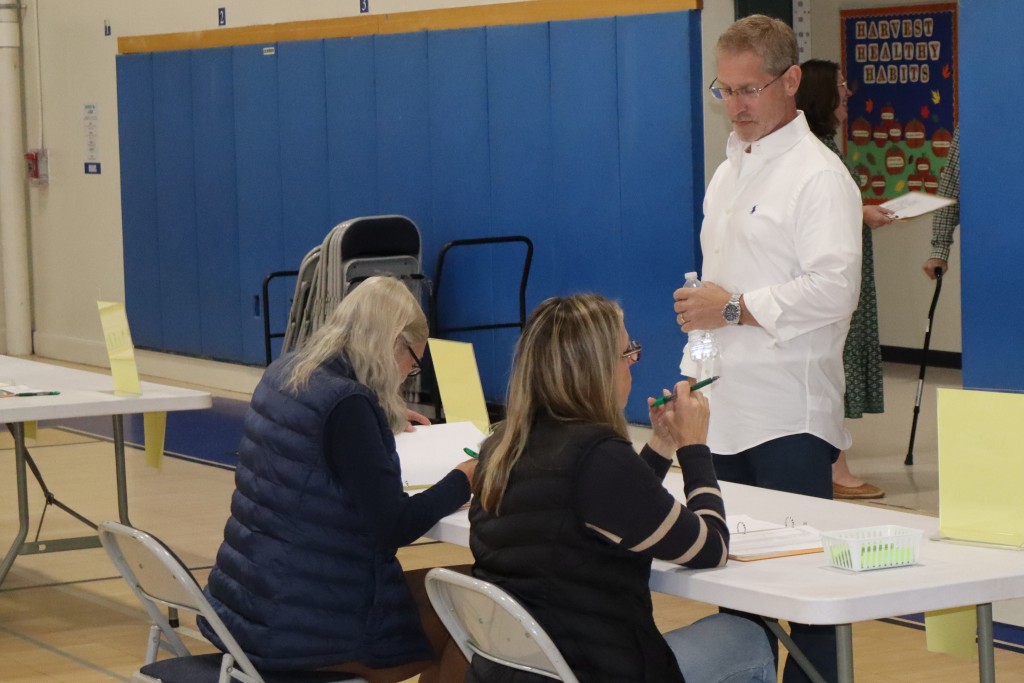
OLD LYME, CT – Democrat Devin Berke defeated Republican Brandy Campbell 207-85 in Tuesday’s Region 18 Board of Education special election, ending his opponent’s third bid for a seat on the school board.
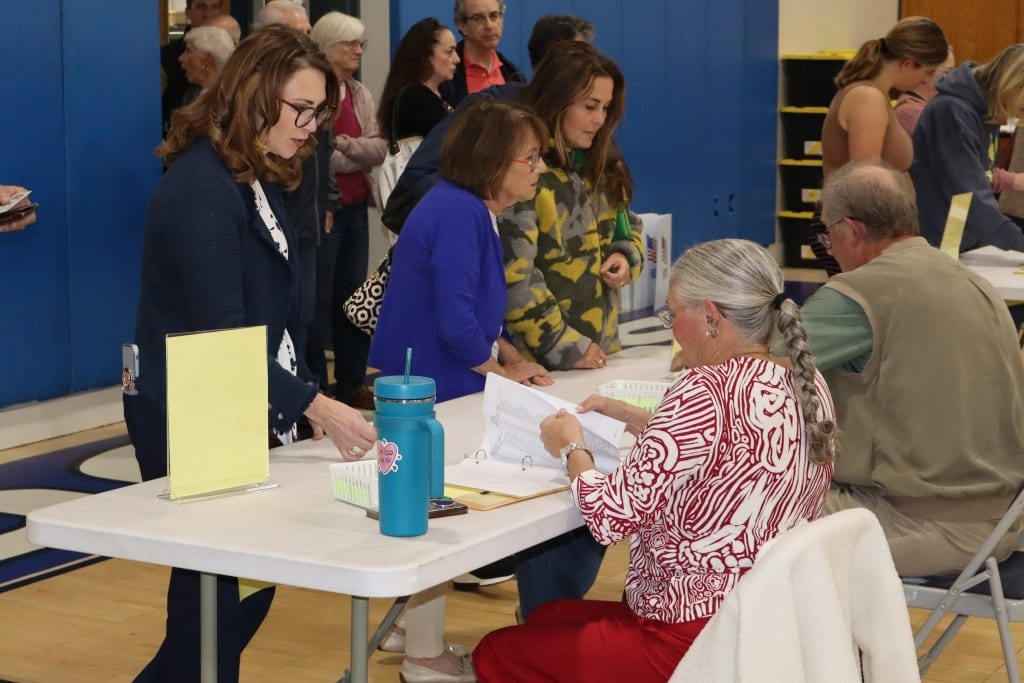
Almost 300 Old Lyme voters came out to the town meeting at Lyme-Old Lyme Middle School to choose a successor to Democrat Scott Brown, who announced his resignation last month. The Democratic victory continues the party’s hold on all nine seats.
After Campbell’s nomination on the floor of the Special Town Meeting by outgoing state Rep. Devin Carney, R-Old Lyme, she took to the lectern with a “hello again.”
“This is my third time stepping forward because my commitment to our students has not changed,” she said.
Campbell was one of four Republican-endorsed candidates defeated in a Democratic sweep of last year’s municipal election. The resulting school board consisted of eight Democrats and one unaffiliated member elected with the Democratic endorsement.
She ran again in July to fill a vacant seat against Democrat Marianne DeBruyn, losing in a 257-143 vote.
On Tuesday, she reiterated her credentials as a mother and scientist who would take a fact-based and collaborative approach to working with school board members, families, educators and the wider community.
“Our schools are strongest when every family is heard, every child is supported and decisions are made with honesty, balance and care,” she said. “Every child deserves a voice at the table, and our board should reflect the community and the diversity of views it serves.”
Campbell remained stoic as election moderator Fred Verillo read the results. She declined to comment on her way out.
Berke, who was nominated by former Democratic Old Lyme Board of Assessment Appeals (BAA) Chairman George Finley, told voters he’s focused on sound financial management, long-term planning and technology in the classroom.
He has been a member of the Democratic Town Committee for several years and on the BAA since 2024, first as an alternate and then as a full member.
A construction project manager with an accounting degree and experience in finance and construction, he said “the most expensive repair is the one nobody plans for.”
He also called for taking a close look at the district’s technology policies amid changes to the way students learn, particularly with the rise of artificial intelligence and the constant presence of phones and computer screens.
“Used well, these tools open real doors and prepare students for jobs ahead,” he said. “Used without clear guidelines, they can hurt focus, sleep, well-being and raise real questions about online safety.”
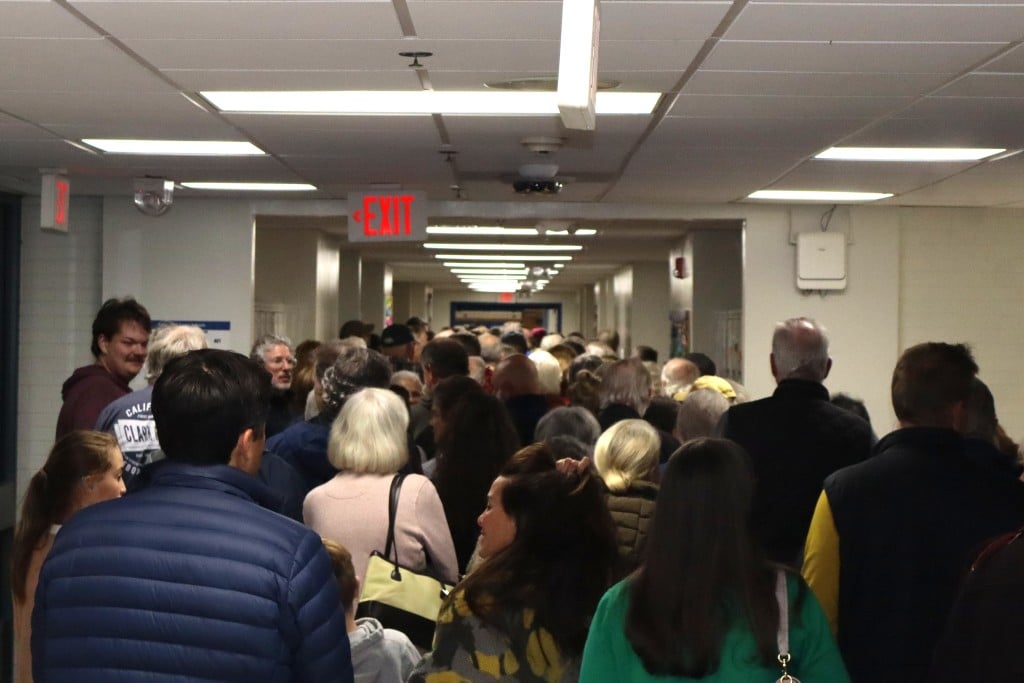
In an interview after the election, Berke thanked the volunteers who worked on his campaign and current school board members for reaching out with their support and answering his questions.
He estimated knocking on 150 doors in his effort to get the word out.
Asked about Republican concerns over the lack of political diversity on the board, Berke said he does not expect party affiliation to play a major role.
“In the end, it’s such an apolitical board where the ultimate goal is to do what’s best for the kids and the taxpayers and the teachers,” he said. “I don’t think there’s a lot of room for politics.”
Berke also pushed back on Republican criticism that he attended only three of nine BAA meetings as an alternate member during last year’s busy revaluation season.
He said his limited attendance was the result of a work conflict he had discussed with other board members before the schedule was set.
“Since I’m an elected member last November, I’ve made 100% of the meetings,” he said.
He credited an easier work schedule, adding his evenings are free for school board meetings. He will retain his seat on the BAA.
While most boards and commissions in individual municipalities are subject to state minority representation rules aimed at preventing either of the major political parties from holding all seats, the rules don’t apply to regional boards of education.
The Region 18 school board consists of seven Old Lyme members and two from Lyme.
Carney, the state representative who nominated Campbell, said after the election that applying minority representation rules to school boards representing multiple towns is a logistical challenge.
When each member town elects its own representatives to a regional school board, the town can theoretically establish minority representation requirements in its charter. But Old Lyme, which does not have a town charter outlining its own rules, is subject to state law.
“Unless something gets changed, that’s just how it’s going to be,” Carney said.
He suggested increasing voter participation could help create a fairer system.
“I think the way we vote on Board of Ed members in a special election probably should be reviewed,” he said. “There are a lot of people, particularly parents, who could not get there because of work, because of doing things with their kids. And I think that’s really unfortunate.”
That could mean a longer voting period at the special town meeting or a day-long vote at Town Hall, according to Carney.
“I don’t know what would go into doing that, but I think that would be fair and better for democracy,” he said.
Author

Related Articles

Lyme’s Lisa Holmes Takes Farmers’ Stories From Field to Film
A documentary from Lyme resident Lisa Holmes digs into the challenges facing independent farmers and the changing landscape of American agriculture.
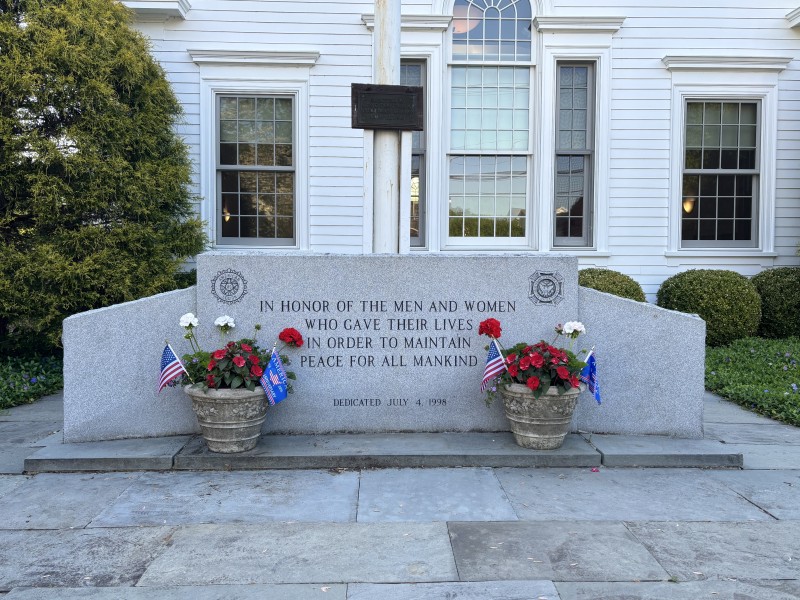
Shoemaker Overrides Historic District Commission Denial With Blue and Gold Star Memorials at Old Lyme Town Hall
Shoemaker said she is standing up for veterans by adding the markers to the military monument. The commission said they belong near the ground in a garden.

Statewide Program Identifies Lyme’s Composting, Conservation Initiatives as Success Stories
Sustainable CT recognized several local initiatives as “success stories” in efficiency, resiliency and inclusivity with the renewal of Lyme’s bronze-level certification.
Comments (0)
There are no comments on this article.