

Talking Transportation: We Built Transportation’s Future, Then Got Stuck in Traffic
Jim Cameron looks at Connecticut’s history of pioneering submarines, aircraft engines and the nation’s first statewide speed limit (because “we do enjoy a good rule”).

I’m tired of people bad-mouthing Connecticut.
Yes, our taxes are high. Yes, I-95 often feels like a rolling town meeting with brake lights. And yes, Metro-North can still turn a simple trip into a test of faith.
But let’s give Connecticut some credit. For almost 400 years, our small state has punched above its weight.
Sure, we love our firsts. New Haven will always claim the hamburger at Louis’ Lunch. Bridgeport gave Buckminster Fuller room to build his futuristic, three-wheeled Dymaxion Car, which looked like tomorrow until tomorrow changed its mind.
But let’s also consider Connecticut’s transportation history: a story of roads, wheels, rails, engines, submarines and aircraft. It is also the story of a state that always wants to move faster. Just look at our roads.
Before I-95, before the Merritt Parkway, before the toll debate that refuses to die, Connecticut had turnpikes. In the 1790s, private companies built toll roads to connect towns, farms and ports. The idea was simple: better roads helped commerce. The second idea was more important: somebody had to pay for them, proving that some things never change.
Then came better road-building technology. New Haven’s Eli Whitney Blake patented a stone-crushing machine in 1858, making crushed stone more practical for road construction. Long before orange traffic barrels became our unofficial state flower, Connecticut was already trying to build better roads.
Then came bicycles. Hartford became a national bicycle center in the late 1870s, when Albert Pope contracted with the Weed Sewing Machine Company to build Columbia high-wheel bicycles. The bicycle was more than a toy. It was personal mobility, freedom and an early argument for better roads. Long before motorists demanded smooth pavement, cyclists were already lobbying for it.
Connecticut’s bicycle story didn’t end in Hartford. In 1971, now-famous Cannondale was founded in Wilton. It began by building camping gear and bike-towed trailers, not bicycles, later applying aluminum to sturdy but light-weight bike frames.
Or consider our trolleys.
Electric streetcars once linked cities, mill towns and neighborhoods across the state. They let people live farther from work, shop beyond their own neighborhoods and travel without owning a car. They stitched Connecticut together … before the automobile helped pull it apart.
Connecticut also got into cars early. Hartford, Bridgeport and New Britain all had their moment in the auto industry. But we also got into regulation early, because this is Connecticut and we do enjoy a good rule. In 1901, Connecticut passed the nation’s first statewide motor-vehicle speed-limit law: 12 miles per hour in cities and 15 on country roads.
But transportation here was never just about roads.
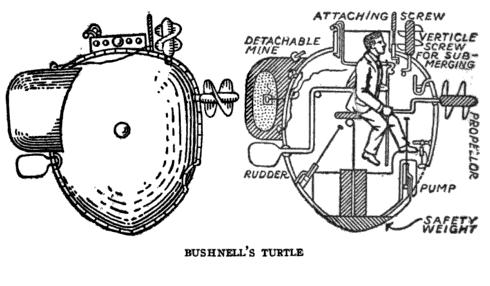
David Bushnell of Saybrook developed the Revolutionary War submarine “Turtle.” That future eventually became Groton’s Electric Boat and the nuclear submarine age. Then look skyward: Pratt & Whitney made East Hartford synonymous with aircraft engines, while Igor Sikorsky made Stratford a helicopter capital.
So yes, we complain about traffic, late trains, fares, parking and the CDOT. But Connecticut has never just watched transportation happen. We shaped it.
So be proud of our state the next time you’re stuck in the traffic our forefathers helped make possible.
Author
Related Articles

On the Food Scene: Four Ways to Enjoy Apples This Fall
A chef, mixologist, barista and pastry chef share recipes inspired by this classic seasonal staple.
Talking Transportation: The Final Boarding Call
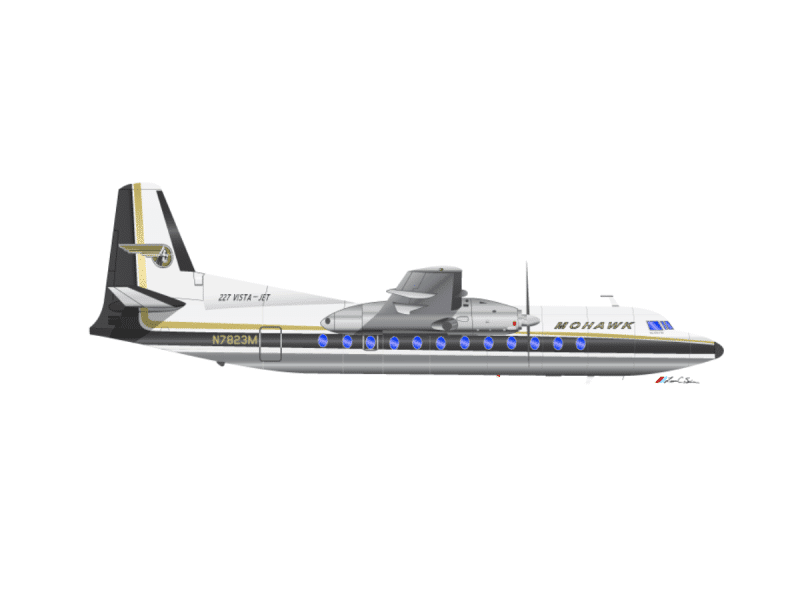
Jim Cameron revisits the airlines of a bygone era, from Mohawk (‘Mad Men,’ anyone?) and Braniff to Hooters Air, when flying was “fun and cheap.”

Talking Transportation: Your Next Car Will Be a Luxury
This week, Jim Cameron takes a look at fuel-efficiency rollbacks, a fatal highway work-zone crash, tariff-driven transit costs and Brightline’s bankruptcy filing.