
Juneteenth Celebration Brings Jazz, Poetry, Reflection to Old Lyme
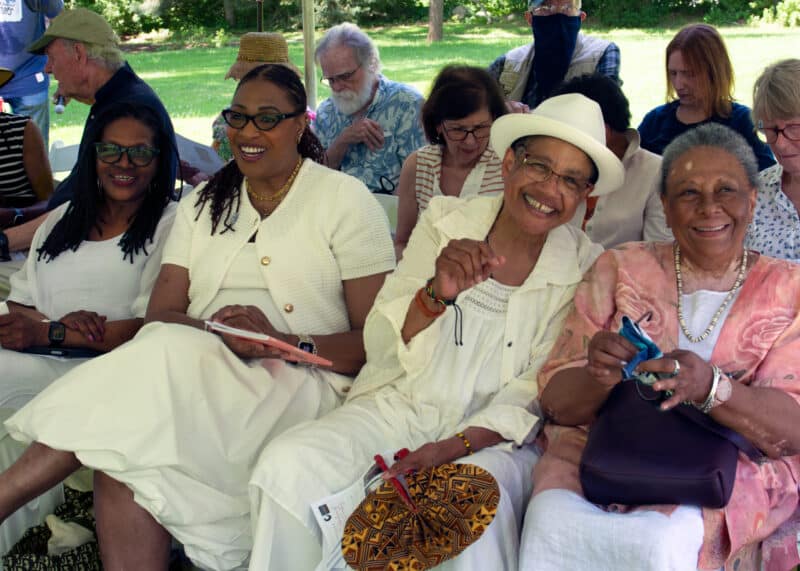
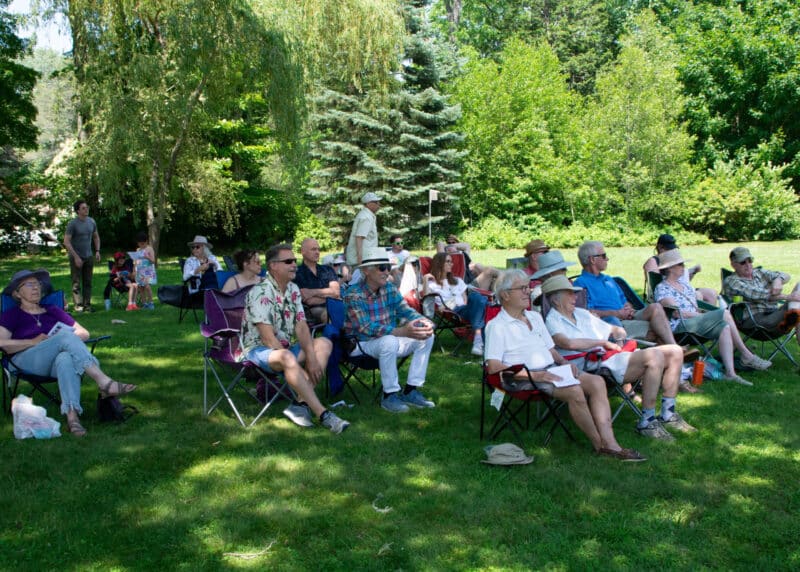
OLD LYME—The north lawn of the Florence Griswold Museum earlier this month filled with music and poetry as the community gathered for a Juneteenth celebration honoring those who once lived enslaved in the historic town of Lyme.
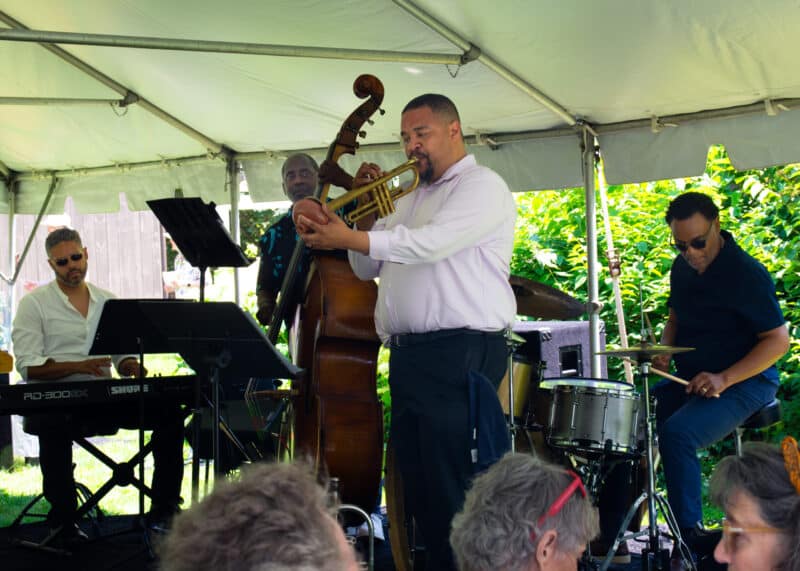
The June 22 event in partnership with the Witness Stones Old Lyme organization featured a powerful performance by renowned bassist and composer Avery Sharpe and his Quartet—Zaccai Curtis on piano, Haneef Nelson on trumpet, and Yoron Israel on drums—whose dynamic jazz rhythms set the tone for an afternoon of remembrance and hope.
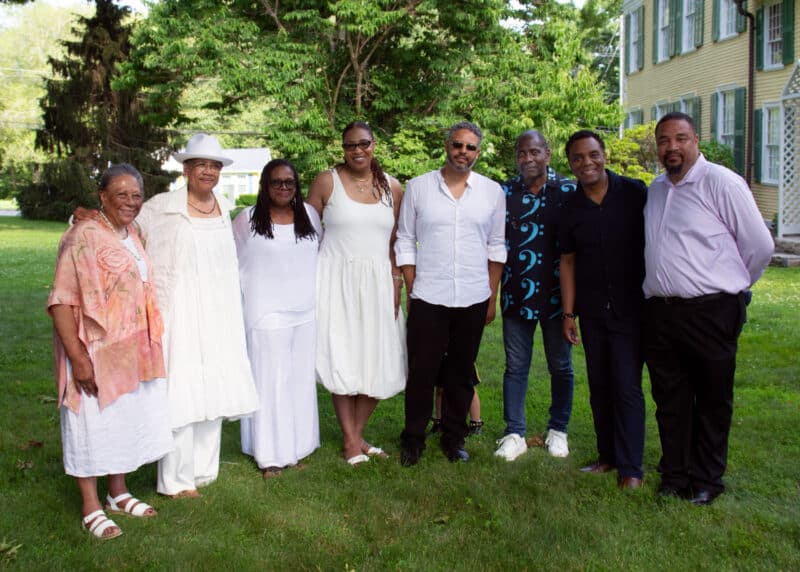
Interwoven with the music were readings by four of Connecticut’s most distinguished poets: Marilyn Nelson, Kate Rushin, Rhonda Ward, and Antoinette Brim-Bell. Their verses, inspired by the lives of those commemorated through the Old Lyme Witness Stones Project, gave voice to the past and called listeners to deeper understanding and reflection.
The poets, who began their partnership with the Witness Stones Project in 2021, created a cycle of poems that was later published in Poetry magazine. Their verse continues to serve as a poignant tribute to the lives, labor, and humanity of those long forgotten by history.

Following the program, the Florence Griswold Museum welcomed guests to view Their Kindred Earth: Photographs by William Earle Williams on its closing day. Drawn by his interest in the Witness Stones Project, Williams became the museum’s third artist-in-residence and made stunning photographs that reveal historic sites of enslavement in Old Lyme and elsewhere in Connecticut.
Witness Stones Old Lyme
Between 1670 and 1826 at least 300 enslaved and indentured African Americans and Native Americans labored in the historic town of Lyme.
Today, Witness Stones honor the humanity and the contributions of vital members of our community. The bronze plaques that mark sites of enslavement on Lyme Street restore forgotten history and serve as memorials to those once held here in bondage.
Each of the 60 Witness Stone placed on Lyme Street, McCurdy Road, Old Shore Road, the Sill Lane Green and at the Lyme Public Library includes the name of an enslaved individual, along with details about their lives and circumstances derived from land records, emancipation certificates, and other available historical documents.
An interpretive sign installed on the lawn of the Old Lyme Phoebe Griffin Noyes Library provides a map showing the locations of the small brass plaques that are installed flush with the ground on Lyme Street and elsewhere in the community.
For more information about the Witness Stones Project in Old Lyme, visit the Witness Stones Old Lyme website: https://www.witnessstonesoldlyme.org/
Editor’s Note: Liz Frankel is a member of the Witness Stones Old Lyme Committee.
Related Articles
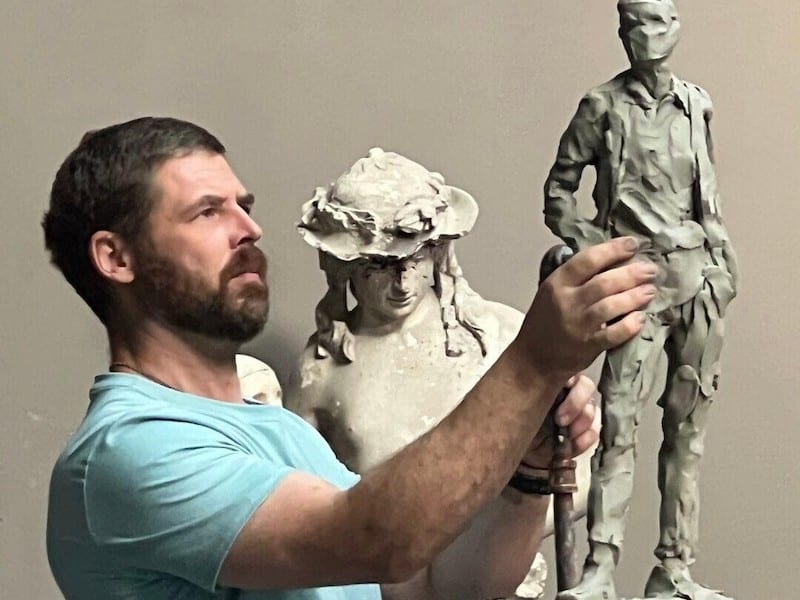
FloGris Museum Presents Free Annual Samuel Thorne Memorial Lecture on Sculpture Through the Ages, Nov. 8
This year’s speaker is Chad Fisher, the Charlotte Colby Danly Sculpture Chair at the Lyme Academy of Fine Arts, who will give a talk titled “Once Upon a Pedestal: Figural Sculpture–Then, Now, Next.”

