

Marx Eyes Broader Housing Protections and Relief for Families in 20th District
State Sen. Martha Marx, D-New London, discusses psychedelic therapy for veterans, eviction protections and the equal time dispute that took her opponent off the air.
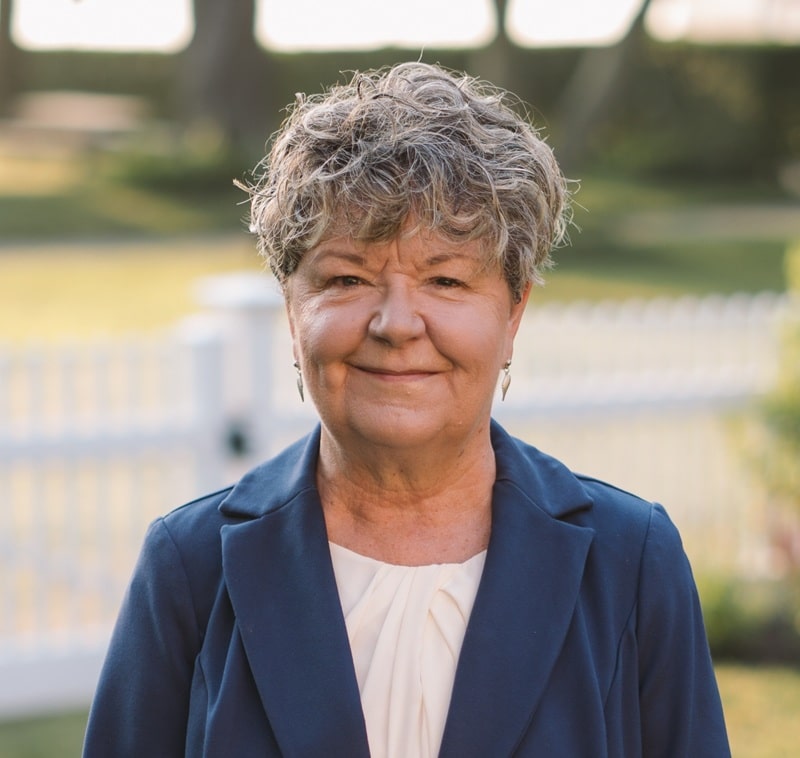
When an Iraq War veteran contacted state Sen. Martha Marx to suggest psilocybin mushrooms as a treatment for PTSD, he didn’t know she’d already helped secure funding for a research program exploring the approach.
Marx recalled in an interview that the veteran’s text message was a response to one of roughly 1,000 campaign calls she’d made that week. The idea of psychedelic-assisted therapy was familiar territory for Marx, a former chair of the Veterans and Military Affairs Committee who now sits on veterans’ and public health subcommittees.
She called him right away.
“I actually got $500,000 into the budget two years ago for a pilot program at Yale for veterans using psilocybin,” she recalled telling him. “And I just got another $500,000 this year.”
Pleased by the serendipitous connection and eager to help the New London veteran, Marx arranged an introduction between him and an advocate for the Connecticut Psychedelic-Assisted Therapy Pilot Program at Yale-New Haven Hospital.
“So I think we’re gonna get this man into that program,” she said.
The New London Democrat is seeking a third term representing the 20th Senate District, this time against conservative radio host Lee Elci.
Marx was elected in 2022 after two unsuccessful bids for the seat held by state Sen. Paul Formica, R-East Lyme. His retirement opened the door for Marx’s victory over Republican challenger and former state Republican Party Chair Jerry Labriola Jr., followed two years later by a victory over Republican Shaun Mastroianni of Old Lyme.
Now the Senate chair of the legislature’s Housing Committee, she hopes to build on a comprehensive housing bill signed into law last year by expanding renter protections and establishing a tax credit for renters. She said she’s also focused on legislation to help people struggling with food, heating and health care costs.
Marx said she was heartened by the New London veteran’s gratitude – and what she described as downright shock – when he heard her voice on the other end of the phone.
“Of course I’m talking to you,” she recalled telling him. “This is what my job is.”
Behind the Mic
Elci, the voice of the Lee Elci Show on 94.9 FM, has been off the air since August after Marx’s campaign demanded equal airtime under Federal Communications Commission (FCC) rules. The station removed him from his weekday morning slot after he announced his candidacy.
Negotiations between the radio station and Marx’s campaign ended with an agreement for Elci to stay off the air until the polls close on Election Day. Both candidates said they were not involved in the negotiations.
Marx, who said she has long known Elci was considering a run for office, suggested he had ample time to consider the FCC requirements that apply to broadcast stations when candidates appear on their airwaves.
The federal rules allow candidates to request comparable airtime to their opponents.
Marx said she would have accepted the opportunity to host a show if it had been offered, but the offer never came.
“I can’t tell him, ‘you have to get off the air,’” she said. “But the compromise is you give the opponents equal time. And they refused to give me equal time.”
Reached for comment Saturday, station owner John Fuller said the station had offered Marx airtime before coming to the agreement to take Elci off the air.
Also reached Saturday, Marx’s campaign manager, Anna Reiter, said the campaign was never offered equal time in any documents from the station’s attorneys. She emphasized all negotiations took place through the attorneys.
Marx reiterated she would have been happy to take her equal time on the air.
“I absolutely would have taken it,” she said. “I was not going to let him have four hours without equal time.”
Beyond the radio station, Marx wondered how much of her opponent’s campaign is just for show and whether he understands the work involved in being a state senator.
She pointed to comments he made to the media expressing uncertainty about whether he would enjoy legislative work, as well as at a campaign event where she heard him say he didn’t know if he’d run for a second term if elected.
“So what, you just want to go up there so you can pontificate in front of a new microphone?” she said.
She described the work as a demanding mix of reviewing legislation, studying data, meeting with advocates and figuring out how to navigate the legislature. The process isn’t easy to learn and those relationships take a long time to build, according to Marx.
Housing Crisis
Marx’s top housing priority for the next legislative session is expanding Connecticut’s Just Cause eviction protections to cover all renters.
The protections, which among other things prevent landlords from raising rent by an unreasonable amount or refusing without good reason to renew a lease for residents, are currently limited to renters who are 62 or older and those with disabilities.
“There needs to be a reason to evict somebody,” she said. “You can’t just evict somebody because of the color of their skin or who they choose to love or just because they want to jack the rent up.”
She acknowledged rents will go up, but said any increases need to be fair and equitable.
Marx is also calling for a tax credit for renters who can’t rely on the equity in their homes to provide a financial cushion.
“There’s so many people that rent their entire lives,” she said. “And many renters are spending 50% of their income on renting. So I think they deserve some kind of tax credit.”
As Housing Committee chair, Marx helped advance what she described as the most comprehensive legislation in decades to address the need for housing. Gov. Ned Lamont vetoed the original bill, but signed a revised version into law following a special session last November.
The law limits parking requirements for certain residential developments, streamlines approval for multifamily projects with two to nine units in commercial districts and requires municipalities to plan for housing growth.
The compromise legislation emerged after opposition from residents, many of them in Fairfield County, and from municipal groups like the Connecticut Council of Small Towns and the Connecticut Conference of Municipalities.
Marx credited the experience with teaching her one of the most important lessons she has learned as a legislator: Make sure the governor understands and supports any legislation before assuming it has a path forward.
She said she hadn’t heard complaints from Lamont or his aides during discussions on the legislation.
“So, yeah,” she said. “I learned that I better call up the governor myself and let him know what I’m doing.”
The law has been at the center of debate in Old Lyme, where officials and residents have raised concerns about how statewide housing requirements could affect small towns with limited infrastructure.
Marx said nobody from Old Lyme’s Zoning Commission has ever brought those concerns directly to her.
But if they did, she said they should come with ideas for how to make housing more available.
“If they’re just saying they’re not going to build housing, then that’s probably a nonstarter,” she said. “They have to tell me, how are they going to build more housing to help this housing crisis? It’s a crisis, and we need urgency.”
Affordability Crisis
When it comes to the affordability crisis, Marx sees little relief as long as the Trump administration’s policies continue to drive up costs and threaten assistance programs.
Marx supports a gas tax holiday but said state-level measures can do only so much to offset the effects of federal policy.
“We wouldn’t worry about the price of groceries and the price of heating oil if we did not have our current administration, if we weren’t in this ridiculous war,” she said.
Marx said Connecticut will need to use its budget surpluses to help residents affected by federal policy changes, including potential cuts to Medicaid and assistance with food and heating costs.
She pointed to the fiscal guardrails that have helped put the state in a stronger financial position since their adoption in 2017 at a time when Senate membership was tied and a there was a slim Democratic majority in the House. The measures, which include caps on spending and borrowing and direct certain surplus revenues into the state’s Rainy Day Fund, have helped build reserves and pay down pension debt.
Marx said the guardrails are working. But she said the state needs to address what she described as one of the widest gaps between rich and poor in the country, suggesting it may be time to reconsider the budget restrictions.
“I think we might have to tweak the spending cap,” she said.
Marx also criticized the Trump administration for rolling back environmental protections and hindering the development of alternative energy sources. She said those policies could make it harder for shoreline communities like Old Lyme to prepare for the future.
Marx said she has backed infrastructure and coastal protection projects, including funding for seawalls in Old Saybrook. She also pointed to her support of the state’s multimillion-dollar commitment to a long-planned sewer project serving several Old Lyme beach communities.
But she argued state lawmakers cannot fully offset the consequences of federal policy.
“It doesn’t matter what kind of bonding I can push for, which I always do,” she said. “But the harm that is happening from Donald Trump is greater, far greater than anything that I will ever be able to do right now in the state.”
Author

Related Articles

Lee Elci Talks Politics, Policing and Personal Freedom Off the Air
After more than two decades on the radio, Lee Elci wants to be a voice in Hartford for lower spending, limited government and a shift away from progressive politics.
Ferraro Aims to Return to State Office
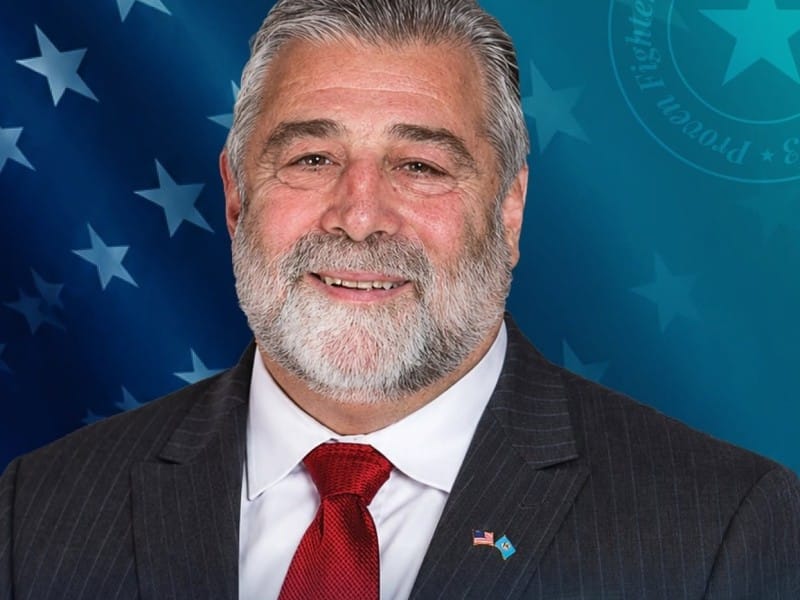
Charles Ferraro, a former state representative, is challenging Norm Needleman on housing, energy costs and local control.

Needleman Weighs Housing Needs, Rural Concerns in Bid for Fifth Term
The state senator seeking a fifth term says Connecticut’s new housing law considers rural communities’ needs. He also discusses affordability, open space, utilities and education funding.
Comments (0)
There are no comments on this article.