

Charter Oak Legacy Grows in Old Lyme Ahead of Nation’s 250th Anniversary
Residents gathered on the South Green for the Arbor Day planting of a Charter Oak descendant that serves as a living link to Connecticut history.
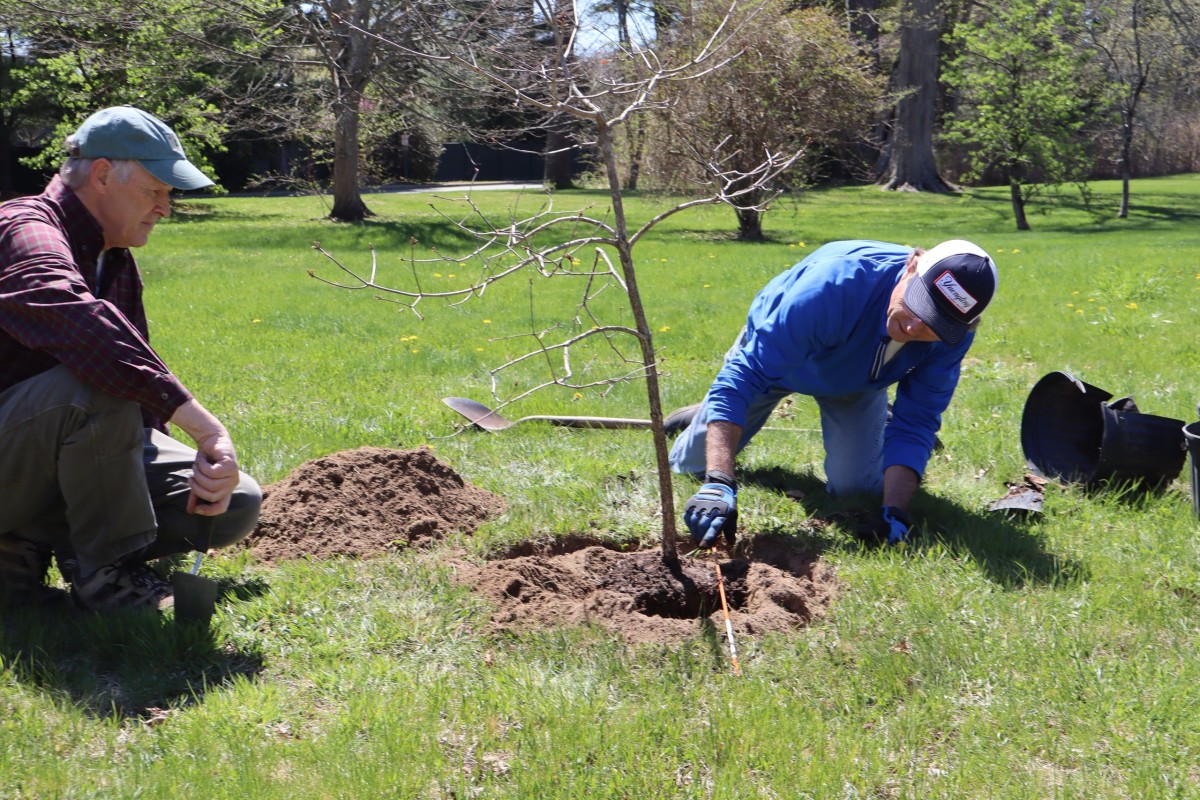
OLD LYME, CT – An area resident who said her ancestor helped keep the state’s colonial charter out of enemy hands by placing it in a tree was among those who gathered Friday on the South Green to plant a descendant of the legendary Charter Oak.
The original oak tree was the storied hiding place of the 1662 Royal Charter, which granted the colony the right to govern itself and elect its own officials. Colonists at the time were attempting to thwart its seizure by royal authorities.
Karen Conniff, a former Old Lyme resident who now lives in Lyme, said her son’s genealogical research showed her family is descended from Robert Treat, the governor who in 1687 refused to surrender the charter.
She attended the planting, cohosted by the Tree Commission and the Old Lyme America 250 Committee, to honor her ancestor.
“I’m hoping that the 250th anniversary of the United States inspires people to do their best for other citizens and to promote democracy,” she said.
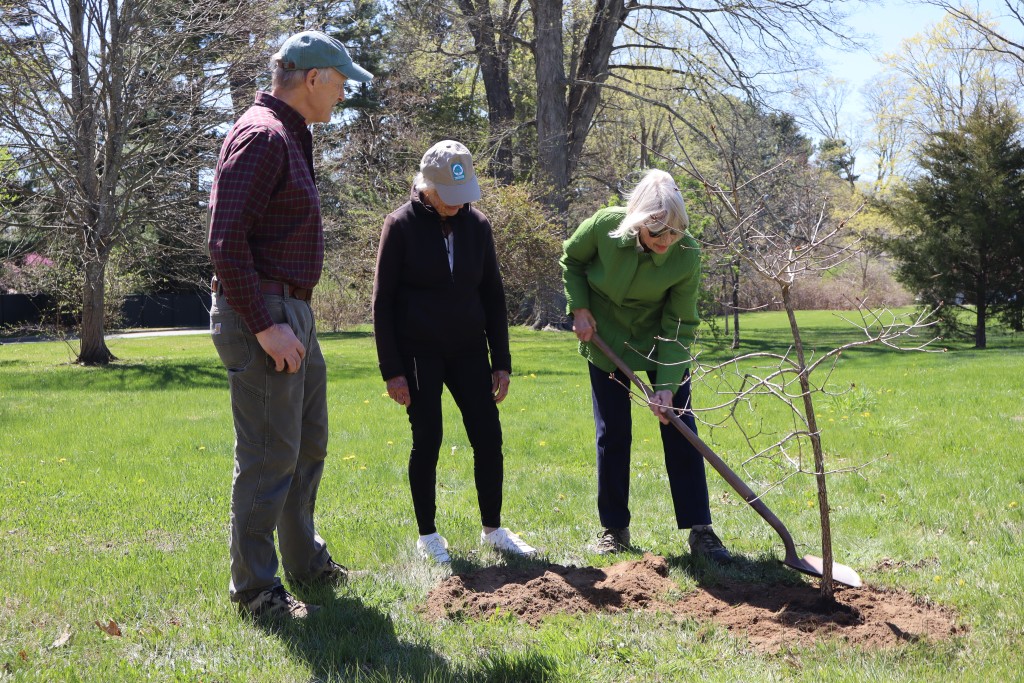
The ceremony conferred the small tree to the historic green after former Tree Commission Chairwoman Joanne DiCamillo had tended it for years in her personal garden.
DiCamillo said the seedling was too young to be planted in one of the town’s parks or green spaces when it was given to the commission in 2019 by the Connecticut Tree Protective Association. The trees were distributed to cities and towns across the state to mark the 100th anniversary of a first-in-the-nation law regulating the arborist trade and mandating municipal tree wardens.
She recounted calling Old Lyme Tree Warden Tom Degnan last fall with the news that it was time to find the Charter Oak descendant a permanent home.
“It’s old enough,” she said. “It seems to be strong enough.”
DiCamillo said the South Green — where a stump is all that remains of a large Norway maple — was the natural choice after the commission spent several years planting trees in Town Woods Park and on the North Green at the corner of Sill Lane.
On Friday, Degnan cut the native white oak from a plastic pot before placing it in the hole with about an inch of the root ball above ground.
“We don’t want to plant it too low,” he said. “I’ve seen a lot of trees killed that way.”
Degnan said the tree, when fully grown, will likely rise 75 feet with a span of up to 60 feet. It can live as many as 500 years, according to the tree warden.
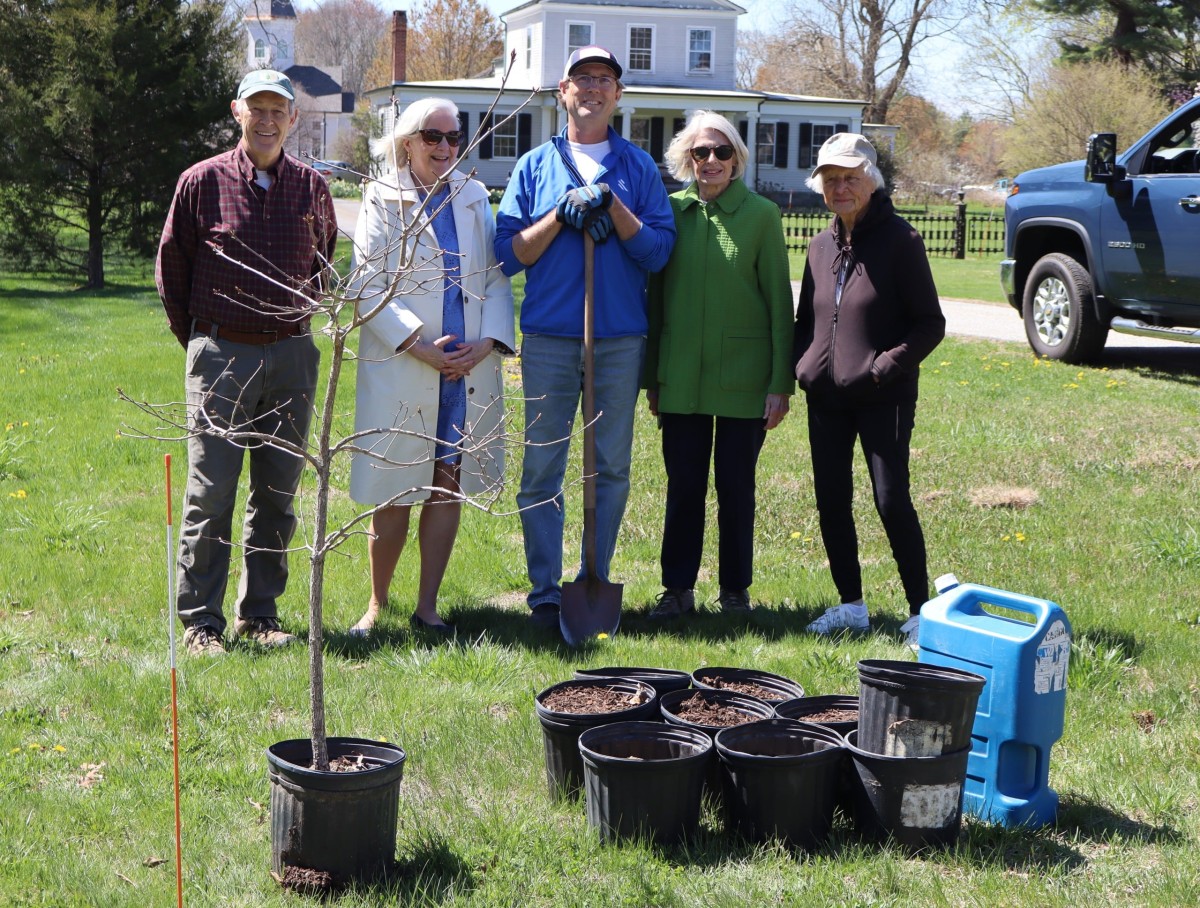
The spot was chosen so the growth won’t affect the neighboring driveway or the road.
“Plenty of room to spread out,” he said.
DiCamillo pointed out the clear line of sight between a nearby bench and the First Congregational Church of Old Lyme. The view is a favorite among artists who come to the historic district to sketch the quintessential New England landmark.
Local historian and Selectman Jim Lampos described the South Green, where patriots in 1774 burned 100 pounds of tea to protest British taxes and where Lafayette in 1778 quartered his troops, as the crossroads of town at the time.
“It’s a perfect spot,” he said.
For Old Lyme America 250 Chairwoman Cheryl Poirier, the the seedling descending from the Charter Oak represents living history.
“One thing we really want to do is to let our local residents know that history is still alive here, and our predecessors in Old Lyme and Lyme took part in the country’s birth,” she said. “We want to recognize it in a way that’s enduring.”
Author

Related Articles
Old Lyme Housing Planning Continues to Take Shape Under New State Law
Old Lyme officials are working with RiverCOG to determine future housing needs as the town builds a team to navigate the new law.
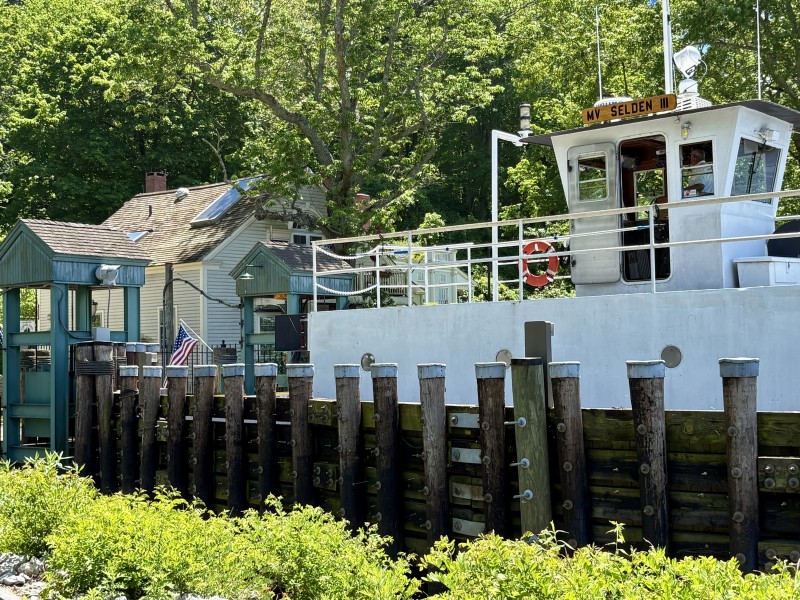
Chester-Hadlyme Ferry Service Suspended for Repairs, Could Resume Mid-September
Ferry service is temporarily suspended while the 76-year-old Selden III undergoes repairs. Meanwhile, plans are moving forward to replace the historic vessel.

Safe Futures’ Oct. 4 Walk Supports Those Affected by Domestic Violence Across Southeastern CT
Safe Futures works throughout New London County, including Lyme and Old Lyme, to address domestic violence, sexual assault, stalking, trafficking, elder and child abuse.