

Talking Transportation: Hot & Bothered – Summer’s Transportation Meltdown
Extreme heat and wildfire smoke are disrupting trains, planes and roads, revealing how vulnerable Connecticut’s transportation systems are to increasingly severe summer conditions.

Last week’s heat wave was neither the worst nor the last we’ll see this summer. But its effects on our trains, planes and automobiles are worth remembering, and planning for, because this kind of weather will return. Heat can take a serious toll on our travels. Just consider…
WILDFIRE SMOKE: Fueled by hot and tinder-dry conditions in Canada, last week’s smoky skies contributed to flight delays and travel disruptions. Drivers were warned to keep their windows closed, switch the ventilation system to recirculate, and make sure the cabin air filter was clean.
TRAINS: Heat can make railroad tracks lengthen by an inch in an 1800-foot piece of track for every ten degrees of temperature. Because much of the track in the Northeast is welded rail, without many expansion joints, that can lead to buckling, known in the biz as “sun kinks”, where tracks get seriously out of alignment. That can force the railroads to slow their trains down, in Amtrak’s case to just 80 mph in extreme cases, to avoid derailments.
Heat can also cause older fixed-tension catenary wires to expand and sag. Much of Metro-North’s original overhead power system was more than 100 years old before Connecticut replaced it with modern constant-tension equipment. But when the old wires sagged, a passing train’s pantograph could snag them, bringing down the power system and halting service.
You may remember just such an incident in 2011 on the then-hottest day of the summer with Manhattan pavement heating to 147 degrees. A train near Westport got its pantograph tangled in the sagging power lines, stranding over 200 passengers onboard with no AC and no windows that could open. The passengers, understandably, panicked and called 911 seeking rescue by local first responders. One positive outcome was improved emergency planning, including provisions for supplying water to passengers on stranded trains.
PLANES: Aviation also has trouble with the heat, in some cases because it’s just too hot to fly. Hot air is lighter than cold air, right? Add higher elevation to the mix (think Denver, where the air is already thinner) and the physics of flying just doesn’t work.
In 2017 Phoenix’s Sky Harbor Airport had to cancel dozens of flights when the air temps hit 120 degrees. Where runways are shorter some aircraft, particularly smaller regional jets, may not be able to operate safely without reducing their weight or waiting for cooler conditions.
AUTOMOBILES: Your car is not immune to heat, either, especially its tires. Sustained high temperatures can accelerate tire deterioration, while an underinflated tire flexes and builds up even more heat as it rolls, increasing the risk of tread separation or a blowout. Check tire pressures when they are cold and use the recommended pressure printed on the driver’s-door.
But it’s your car’s cooling system that’s strained the most, working overtime to keep the engine temperature stable. If the temperature gauge starts climbing, turning off the AC can reduce the load on the engine. But if the car is actually overheating, pull over safely and shut it down.
And the road itself is also under attack: concrete can buckle (from expansion) and asphalt can soften and start rutting. As with the trains, the safest solution is to slow down and watch for trouble ahead.
We like to think of Connecticut summers as reliably hot. What we’re not prepared for is heat this intense… or wildfire smoke this frequent. Our trains, planes and roads weren’t designed for heat this extreme and this persistent. Neither were we. The heat is coming again. The only question is whether we’ll be ready.
About the Author: Jim Cameron is the founder of the Commuter Action Group and advocates for Connecticut rail riders. His column is published by several publications in the state.
Author
Related Articles
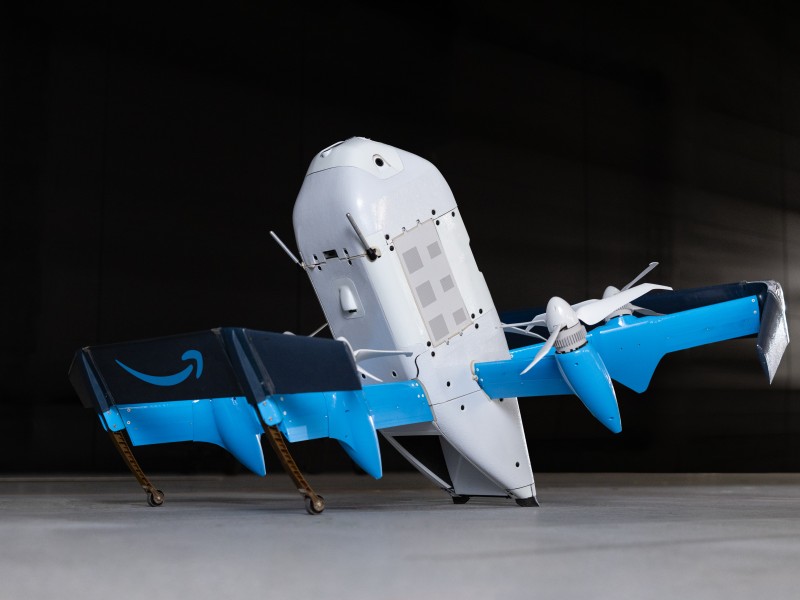
Talking Transportation: The Drone Delivery Debate
Amazon wants FAA approval for up to 1,000 daily drone flights over North Haven and surrounding communities. Residents are pushing back.

On the Food Scene: Four Ways to Enjoy Apples This Fall
A chef, mixologist, barista and pastry chef share recipes inspired by this classic seasonal staple.
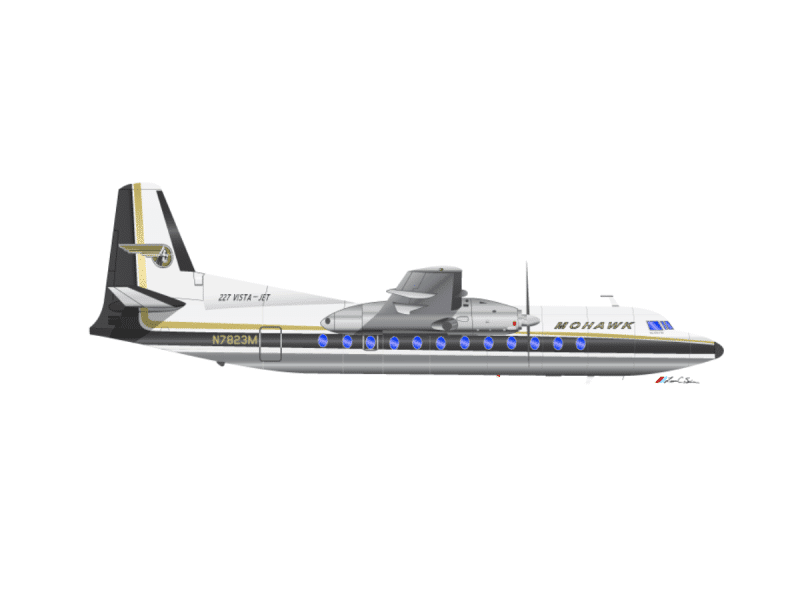
Talking Transportation: The Final Boarding Call
Jim Cameron revisits the airlines of a bygone era, from Mohawk (‘Mad Men,’ anyone?) and Braniff to Hooters Air, when flying was “fun and cheap.”