
Lyme and Old Lyme Take Different Paths on Car Tax Decision
After state lawmakers made it possible for municipalities to soften the budget impact of recent changes to the way motor vehicles are taxed, the towns of Lyme and Old Lyme revealed different philosophies on revenue collection.
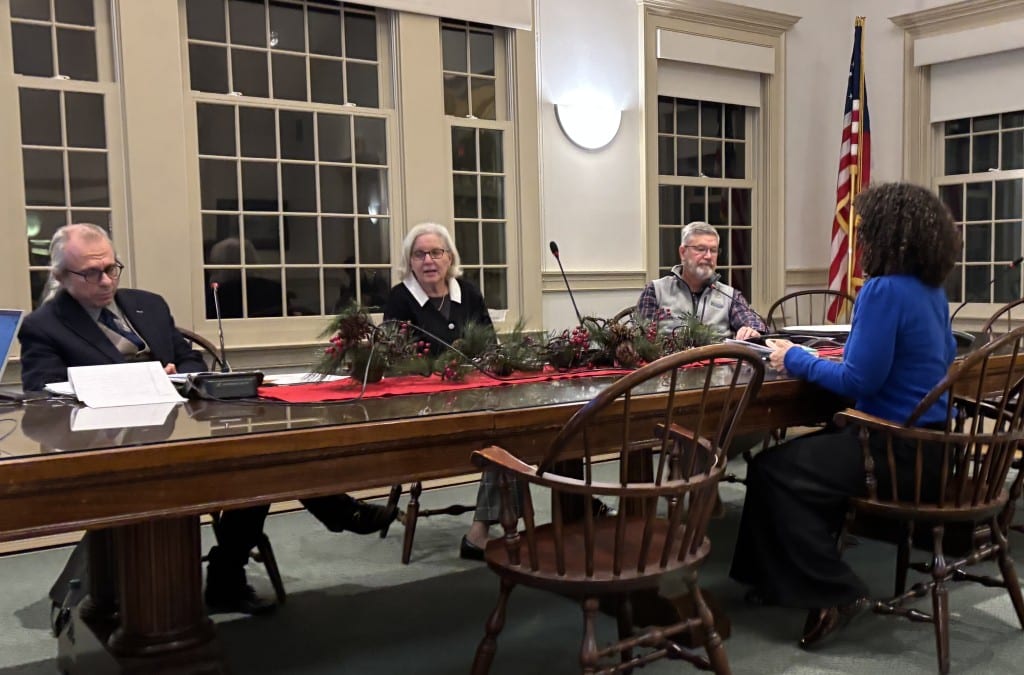
LYME/OLD LYME, CT – After state lawmakers made it possible for municipalities to soften the budget impact of recent changes to the way motor vehicles are taxed, the towns of Lyme and Old Lyme revealed different philosophies on revenue collection.
In 2024, a law went into effect to set vehicle taxes based on a depreciating schedule tied to the suggested retail price rather than fair market value. But last year lawmakers added an option for a depreciation schedule more advantageous to municipal budgets in reaction to concerns from local officials that the change was siphoning tax revenue.
Old Lyme’s Board of Selectmen this week declined to adopt the alternative schedule in a unanimous vote. Assessor Melinda Kronfeld said neighboring Old Saybrook also maintained the status quo, while East Lyme chose to implement the new schedule.
Last month, Lyme’s Board of Selectpeople voted 2-1 for the alternative schedule.
Kronfeld and Lyme assessor Jen Thomas said the initial switch to manufacturer’s suggested retail pricing (MSRP) reduced the value of taxable vehicles in each town by more than 10%.
Kronfeld said Old Lyme’s 2024 motor vehicle grand list went down $11,694,996, a decrease of 11.2% year over year. Thomas said Lyme’s decreased $4,076,200, or 12.15%.
Using the alternative valuation schedule would have added $15,412 in motor vehicle taxes in Old Lyme based on the current 16.23-mill tax rate, according to Kronfeld. In Lyme, where the tax rate is 14.5 mills, Thomas said the change is expected to add approximately $46,000 in revenue.
Old Lyme Selectman John Mesham noted that owners of older vehicles would be most affected by the change. He said the disproportionate increase is not fair because those with older cars are more likely to have difficulty “making ends meet.”
For example, someone with a 5 year old car whose MSRP was $35,000 would see the tax bill rise from approximately $259 to $279 under the alternative schedule, an increase of 8%. The owner of an 18-year-old vehicle with the same MSRP would owe about $80, up from $60, an increase of 33%.The figures are hypothetical and based on the current mill rate.
The Basics
The valuation schedule is based on the MSRP, with values declining over time to a minimum assessed value of $350 per year for vehicles 20 years and older. Tax bills are calculated based on 70% of the depreciated values.
Under the alternative schedule, depreciation begins at 90% in year one instead of 85% and gradually declines to 20% of MSRP – instead of the standard 15% – for vehicles 15 through 19 years old.
In both the existing and alternative schedules, cars 20 years and older must be assessed at no less than $350 per year.
‘Back in Line’
Thomas told Lyme selectpeople on Dec. 1 that adopting the alternative schedule is a way to address the loss in revenue from the switch to MSRP valuations.
“This would bump it up, slightly,” she said, reiterating the impact would be felt most by taxpayers with older cars.
“Cars 15 years or older will have probably about a zero to $20 increase,” she said. “Other than that, they’re going to stay the same as they were in the previous year, assuming the mill rate stays the same. But it’s not a huge deal either way.”
Lyme Republican Selectman Tom St. Louis referenced concerns voiced by residents when he ran unsuccessfully against unaffiliated newcomer Christy Zelek.
“Christy, I’m sure I’ve heard the same thing when we were on the campaign trail about tax burdens and people being very conscious about their costs rising,” he said.
St. Louis pointed to a list of taxable vehicles when he said that “year over year, over 90% of the vehicles in town will have higher taxes.”
Selectpeople voted at the following meeting on Dec. 15 to adopt the alternative schedule, with St. Louis casting the lone opposing vote.
Zelek on Friday said she felt the revised schedule was a way to bring revenues closer to where they were prior to 2024.
“I think this was a way to bring it back in line without hurting everyone too drastically,” she said.
Author

Related Articles

Learn CPR or Brush Up Your Skills at Lyme EMS Class, Feb. 28
Build confidence and learn how to respond quickly in emergencies through this life-saving class.

Lyme-Old Lyme Boys Hold Off Coginchaug, Girls Fall Friday
A pair of games went in opposite directions as the boys pulled out a win against Coginchaug and the girls came up short.

This Weekend in Lyme and Old Lyme, Feb. 6-8
This weekend’s lineup includes student performers, pancakes galore and world-class music close to home.