

Letter to the Editor: Are Old Lyme Residents Being Overtaxed? Demand Answers to Why Town Surplus Fund is so High, How it Impacts Tax Rates
To the Editor:
Are the residents of Old Lyme being overtaxed? I would bet that most residents probably believe that our property taxes are relatively reasonable compared to other CT towns, but is that really correct? To try and find an answer to that question I Took a look at the town budget.
Reviewing the budget, the first thing that jumps out is that our “Unassigned Surplus Account” (UAS.) UAS is high. What does that mean and why is it important? Our town’s budget allocates funds for specific purposes. If revenues exceed expenditures that have already been accounted for, the town may assign the excess funds into an account titled an “unassigned surplus”. Think of it as a “rainy day fund” designated for unusual or unexpected expenditures. Our town’s current UAS is about 15 million dollars representing about30 % of the town’s total revenue.
Is 30 the right number or Is it excessive? Instead of maintaining a large surplus should the money be returned to the taxpayers in the form of lower taxes in the future or used to fund capital projects or some combination of the two?
How does our UAS compare to other CT towns? In 2020 The Office of Legislative Research for CT indicated the UAS number for CT. ranged from 0.1% for Stamford to 39.6% for Warren. The state auditors recommend that Connecticut towns aim for a surplus of 16%.
Why is ours on the high side? The reason given for keeping a high UAS is that in case of a catastrophic storm, that either temporarily or permanently wipes out our beach communities, our tax revenues will shrink. Even if that is correct, it is also true that in those circumstances our services and expenses would likely also decrease. Is it also reasonable to anticipate that FEMA or the state would compensate us for some portion of catastrophic losses? Other shoreline towns like Clinton and Old Saybrook, that have equal or greater risks than Old Lyme, maintain lower UASs. Why? How did the Town of Old Lyme determine that 30% is the optimal percentage? What was the formula or methodology employed to arrive at that number? Old Saybrook has a target of 15%, and if the UAS exceeds that amount, they have a plan in place to reduce it. They don’t let it continuously grow.
I realize the town faces some significant new upcoming capital expenditures, but that does not seem to explain why we have built up this level surplus over the last few years even before these projects were approved.
Alternatively, did the town look at possibly obtaining catastrophe insurance, limited to reimbursement for the loss of tax revenue, rather allocating millions of dollars to surplus? It might be a more economical solution.
Does a 30% surplus represent fiscal responsibility or irresponsibility? I don’t have the answers, but you may want to demand answers on the level of surplus and its impact on tax rates before deciding if you are being overtaxed.
Sincerely,
Howard Margules,
Old Lyme.
Related Articles

First Responder Ride Honoring Fallen 9/11 Firefighters to Pass Through Old Lyme, Sept. 8
A 343-mile cycling ride honoring the 343 firefighters killed on Sept. 11 will pass through Old Lyme along Route 156. Residents are encouraged to cheer riders along the route.
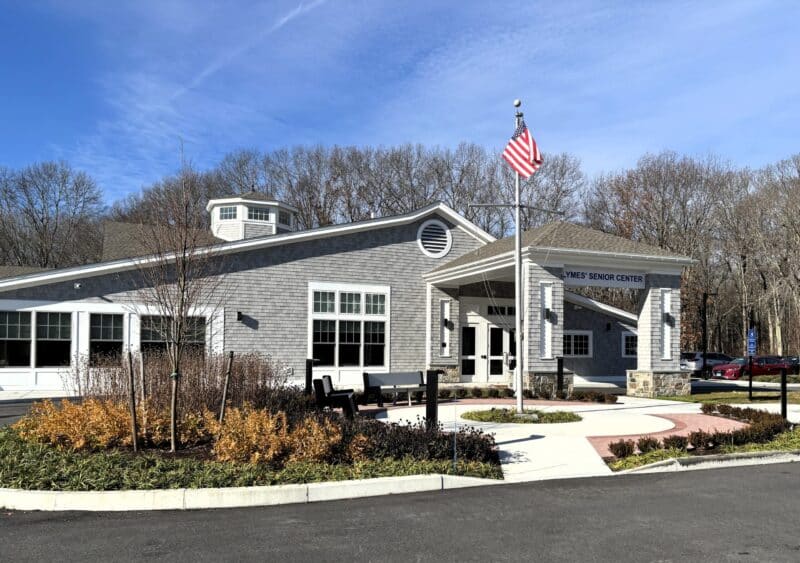
Lymes’ Senior Center Upcoming Events on August 4, 7, 11 & 12
In addition to their regularly scheduled programs, the Lymes’ Senior Center will host several special presentations for members and non-members.

Upcoming Events at the Lyme Library in August
The Lyme Public Library provides a welcoming place to share coffee with friends and get one-on-one tech support.